The rarest plant in Grow a Garden is the Prismatic-tier crop, sitting at the very top of the game's rarity ladder. If you've been hunting for it and haven't found it yet, that's completely normal. The drop rates for the highest-tier seeds are brutally low, some sitting below 1%, and the game makes no secret of that. Here's what that actually means, how to confirm it yourself in-app, and what you should realistically do today to chase it down.
What Is the Rarest Plant in Grow a Garden and How to Grow It
Rachel Hartley
24 Mar 2026
What 'rarest' actually means in Grow a Garden
Grow a Garden uses a tiered rarity system to rank every crop in the game. The tiers run from bottom to top: Common, Uncommon, Rare, Epic, Legendary, Mythical, Divine, and Prismatic. Each tier represents how hard a crop is to obtain, not necessarily how hard it is to grow once you have it. The higher the tier, the fewer ways there are to get the seed, and the lower the percentage chance when it does appear in a pack or event.
The practical definition of 'rarest' in this context comes down to two things: drop rate and availability window. Some high-tier crops only show up during limited-time events like the Zen event, where seed packs have explicitly listed drop probabilities. Grow a Garden Wiki also documents that the Basic Seed Pack, such as the Rainbow Sack, had the lowest known drop rate among items at the time, which helps frame how rarity works. When you see a seed with a 0.5% or 4.5% drop chance in one of those packs, that's the game telling you directly that it's not meant to be easy to get. That's the real mechanic behind rarity here.
The rarest plant in Grow a Garden (rank #1) and how to confirm it
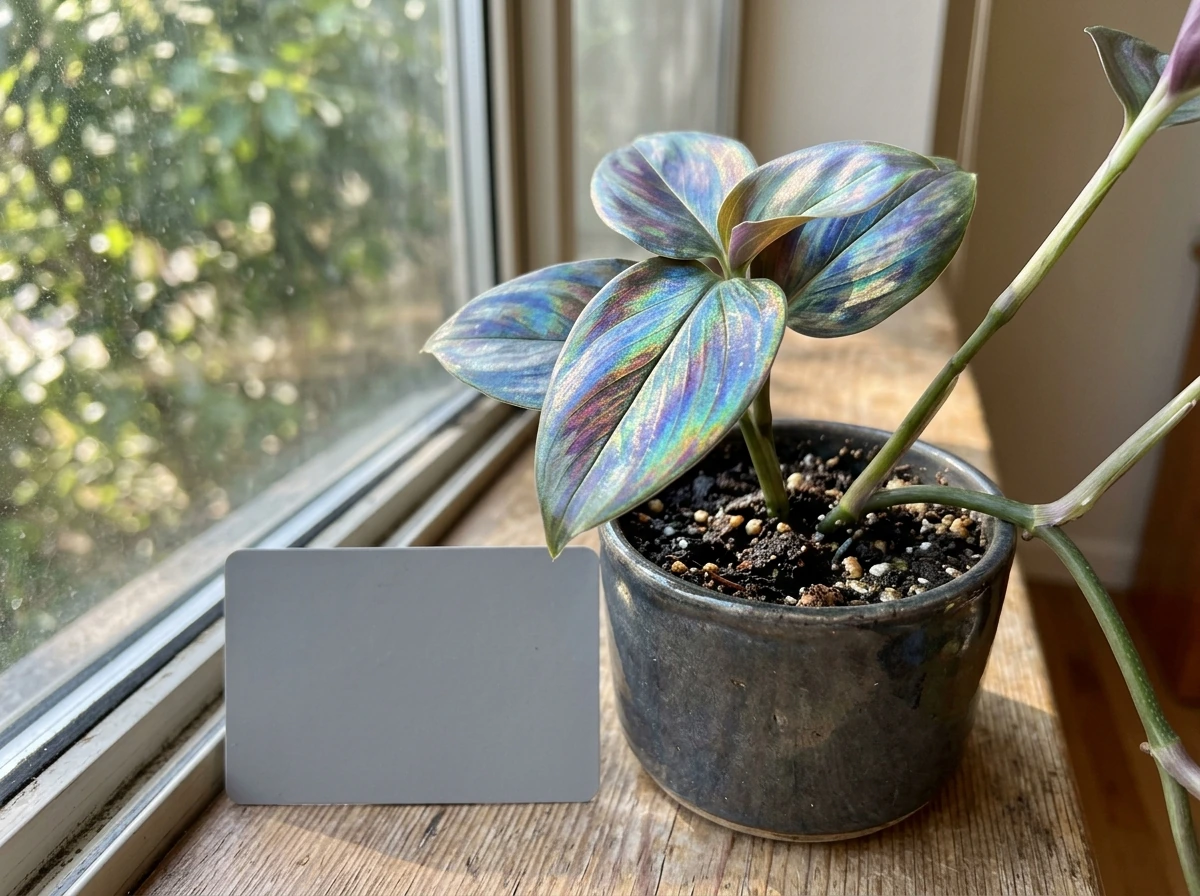
The Prismatic-tier crop holds the top spot as the rarest plant in Grow a Garden. Prismatic is the highest rarity tier in the entire game, placed above even Divine on the rarity ladder. Crops at this tier appear with the lowest drop rates of any category and are typically locked behind specific events or special seed packs that aren't always available in the shop.
To confirm this yourself in-app, check the color of the plant's name label. Each rarity tier has its own color coding, and Prismatic crops display a visually distinct, high-contrast color that sets them apart from everything below. If you're looking at a seed or a crop in your garden and the name glows or shifts in a way that doesn't match any of the simpler tiers, you're looking at something near the top of the rarity scale. The in-app plant display and any seed pack descriptions will show both the tier label and the drop percentage, which is the cleanest way to cross-check exactly where a plant sits.
The second rarest plant (rank #2) and how it differs
The Divine-tier crop sits directly below Prismatic, making it the second rarest category in Grow a Garden. The practical difference between Divine and Prismatic is mostly about drop rate and availability frequency. Divine crops do appear in event packs more often than Prismatic ones, and their drop percentages, while still low, tend to be slightly higher. Think of Divine as 'almost impossible to get' versus Prismatic's 'genuinely rare by design.'
The other key difference is that Divine crops may have more pathways to acquisition. When events like the Zen Seed Pack run, Divine seeds can show up as possible rewards at drop rates still well below 5%, but they're at least present on the drop table more reliably than Prismatic. If you're chasing the second rarest and haven't had luck with Prismatic yet, Divine is a more realistic intermediate goal while you build up resources.
Other rare plants worth going after
Below Divine, there are several other tiers that are still genuinely difficult to get and worth targeting if Prismatic and Divine feel out of reach right now. Here's the priority order based on rarity, from hardest to easiest to obtain within the 'rare' range:
- Mythical: One tier below Divine, still very low drop rates, and often event-locked. A realistic stretch goal if you're actively farming event packs.
- Legendary: Noticeably more obtainable than Mythical but still considered rare by most players. This is a good benchmark crop to aim for before pushing higher.
- Epic: The entry point to what most players call 'rare.' More commonly seen in rotation and less dependent on limited events, but still not a guaranteed pull.
If you're newer to Grow a Garden, starting your rare-crop hunting at the Epic tier makes sense. It teaches you the acquisition loop without burning through resources on near-impossible pulls, and it gives you something to actually grow and enjoy while you save up for higher tiers.
How to find and get seeds for these rare plants
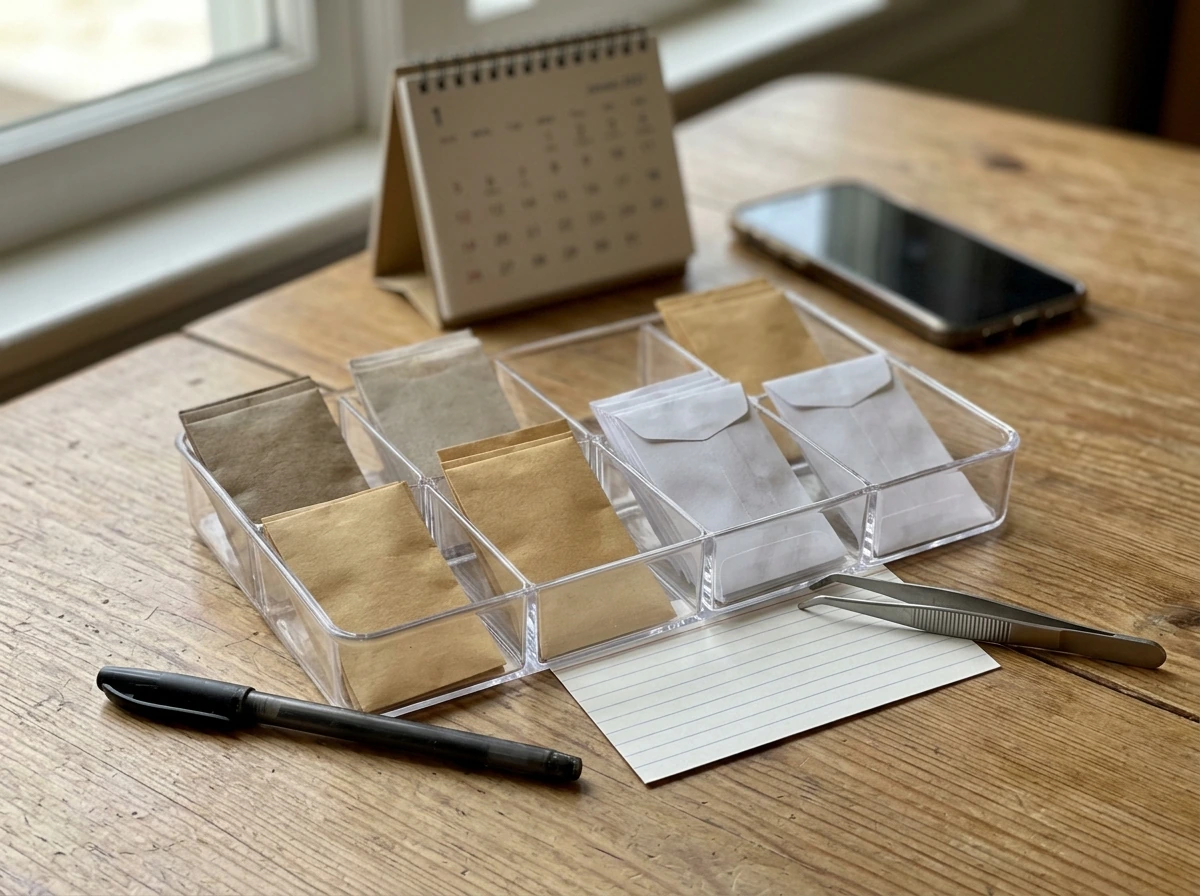
The main pathway to rare and above crops in Grow a Garden is through limited-time event seed packs. The Zen Seed Pack is one example: it's tied to a specific in-game event, has a fixed cost, and lists the exact drop percentages for each tier. PC Gamer reports that a normal Zen Seed Pack costs 12 Chi and gives a 4.5% chance to get Hinomai seeds (with Exotic Zen Seed Packs having the same pull rates) Zen Seed Pack costs 12 Chi and has a 4.5% chance to get Hinomai seeds. When an event like this is live, that's your best window to pull for high-tier seeds. Outside of events, your options shrink considerably.
Check the in-game shop and event calendar regularly. The rarest crops don't sit in the base shop permanently. They cycle in and out with events, so if you miss the active window, you may be waiting weeks or longer for another shot. Community forums and the Grow a Garden wiki are useful for tracking which event packs are currently live and what their drop tables look like, so you can decide whether the odds are worth spending resources on a given pack.
Some players also trade or exchange crops through in-game social features if those are available in your version. If direct trading is an option, connecting with other players who have duplicates of high-tier crops can shortcut a lot of the drop-rate frustration. It's worth checking the community for trading channels before grinding packs solo.
Growing rare plants successfully based on your situation today
Once you have a rare-tier seed in hand, your focus shifts from acquisition to actually getting value out of it. In the Grow a Garden system, that means understanding the crop's growth requirements and making sure your garden setup supports them. Rare and above crops often have more specific needs than Common or Uncommon ones, so treating them the same as your basic crops is one of the fastest ways to waste a hard-won seed.
If you're playing with a real-world gardening lens (which aligns with how this site approaches growing questions), it helps to think about rare, hard-to-find plants the same way. Whether you're growing in containers on a balcony, indoors under grow lights, or in-ground in a regional climate, the principles are the same: match the plant's needs to what you can actually provide. Right now in late March 2026, if you're in the Northern Hemisphere, you're entering early spring. That means if a rare crop has an analog in the real world, cool-season varieties like unusual leafy greens, specialty root vegetables, or heirloom brassicas can go in now. Warm-season rare crops like exotic peppers or unusual fruiting plants should wait until after your last frost, which for most of the US runs from late March in Zone 8-9 to mid-May in Zone 5-6.
Containers and indoor growing for rare plants
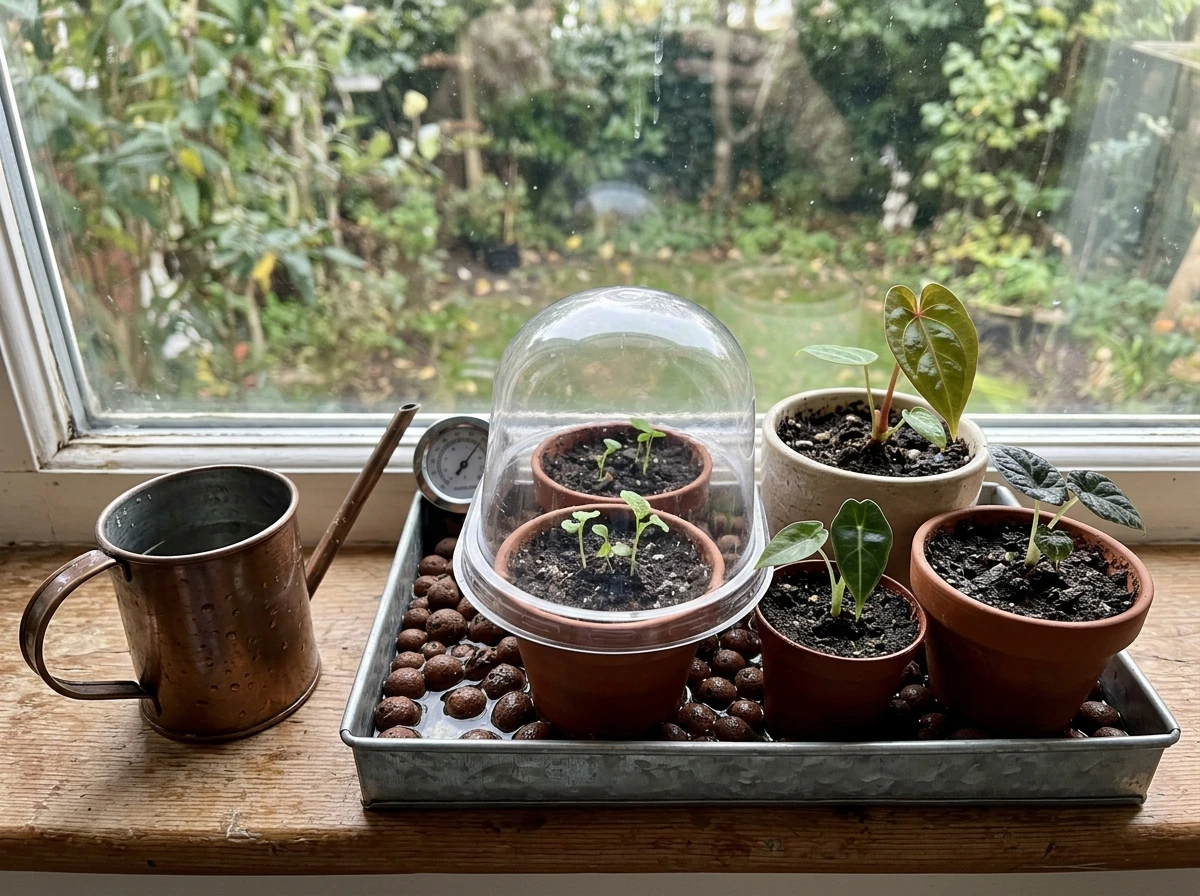
If you're growing indoors or in containers, you have a real advantage with rare or unusual plants: you control the environment. Rare plants that are finicky about temperature, humidity, or light are much more manageable in a container setup than in-ground. Use a well-draining mix, keep pot size proportional to the plant's root system (going too large too fast leads to root rot), and if you're under grow lights, aim for at least 14-16 hours of light for most fruiting or flowering rare crops. Starting rare seeds indoors now in late March gives you a 6-8 week head start before outdoor transplanting if you're eventually moving them outside.
Matching your zone to the timing
| USDA Zone | Last Frost (Approx.) | What to do with rare plants in late March |
|---|---|---|
| Zone 9-10 | January-February (past) | Direct sow or transplant warm-season rare crops outdoors now |
| Zone 7-8 | March-April | Start rare seeds indoors; transplant in 3-4 weeks after last frost clears |
| Zone 5-6 | April-May | Keep rare seeds indoors under lights; don't rush outdoor transplant |
| Zone 3-4 | May-June | All rare plants stay inside until late May at earliest; focus on indoor growing |
Realistic expectations and common problems with rare plants
The biggest mistake people make with rare plants, both in Grow a Garden and in real-world gardening, is assuming that 'rare' means 'complicated to grow.' It doesn't always. Some rare crops are rare purely because of supply and availability, not because they're difficult once you have them. That said, there are real gotchas to watch for.
- Low drop rates mean you may need to attempt multiple pack pulls before getting a Prismatic or Divine crop. Budget your in-game resources accordingly and don't spend everything on one pull.
- Event windows close without warning. If a rare seed pack is available now, prioritize it. Waiting a day or two to decide can mean missing the window entirely.
- In real-world rare plant growing, germination rates for unusual or heritage varieties are often lower than standard seeds. Sow 2-3 seeds per cell and thin to the strongest one rather than assuming every seed will sprout.
- Overwatering kills more rare and exotic plants than any other cause. They're often less forgiving than common varieties, especially in containers. Let the soil dry slightly between waterings.
- If a rare crop fails in your first attempt, don't give up on the variety. Adjust one variable at a time: light, watering frequency, or soil mix, rather than changing everything at once.
Rare plants reward patience more than skill. The acquisition grind in Grow a Garden is intentional, and the real-world parallels are similar: unusual seeds are harder to find, slower to germinate, and sometimes more sensitive to conditions. But once you get them established, they're genuinely more interesting to grow than the basics. If you enjoy the process of gardening, whether that's in-app or in real soil, rare plants give you something to actually look forward to. The guides on this site for plants that are fun to grow and plants you can grow at home cover good companion options to fill your space while you wait on your rare crops to come through. If you want quick wins while you wait, you can also look into plants you can grow from grocery store items.
FAQ
Does “rarest” in Grow a Garden mean hardest to grow, or just hardest to get?
No. In Grow a Garden, the rarity tier is determined mainly by seed availability and drop percentage, not by how difficult the plant is to cultivate after you own it. That means a Prismatic crop can be rare by design even if, once planted, it only needs standard care (your biggest risk is mismatching requirements, not tier level itself).
How can I verify I’m chasing the real Prismatic-tier crop, not a lower tier that looks similar?
Use the in-app cross-check before you spend resources: open the seed or crop detail panel and confirm the tier label and the listed drop percentage for that exact pack or event. A crop can look “high tier” in your garden UI, but the definitive measure is the drop table associated with the current pack or time-limited event.
If I missed an event before, will the same drop rates for Prismatic come back the next time it runs?
Don’t assume the chances you saw earlier will repeat. Event seed packs can have different costs and different drop percentages each run, so an old “0.5%” you remember may not match the next appearance. Always check the live pack description and its tier probabilities when the event returns.
What should I do if I keep pulling Divine instead of Prismatic? Keep going or switch targets?
If you get a “near miss” like Divine instead of Prismatic, treat it as progress, not wasted pulls. The practical move is to keep Divine as your active target while conserving premium currency for the next Prismatic window, since Prismatic typically has fewer pathways and longer downtime between relevant packs.
I finally got a rare seed, what’s the best next step to avoid wasting it?
Your plan should change once you already own a high-tier seed. Prioritize learning its specific growth needs (light, temperature, humidity, spacing, and watering cadence where applicable) and setting up your garden before you use additional rare inputs. The most common loss after acquiring rare seeds is failing to meet the crop’s baseline requirements, not losing the next lottery pull.
Can trading/exchanging guarantee I get the rarest plant, or are there limitations?
In most versions, direct trading or exchange only works if both players have the same item state your account can recognize (same seed tier, and sometimes same event attribution). Before relying on trades, confirm in the trade screen that the other player’s item matches the tier and you can legally use it in your garden.
How do I avoid missing the short window when the rarest packs appear?
Timing matters. If you see a high-tier pack during an event, pull during the window, because the rarest tiers often rotate out of the base shop. A good practice is to check the event calendar daily during active weeks, since missing a short event can mean waiting multiple weeks or longer.
Should I keep buying seed packs until I get Prismatic, or is there a smarter spending approach?
A rare seed is not always a one-and-done purchase. If the pack is limited-time, you may want to set a spending cap per event and stop when you reach it, because RNG can keep you below the target tier indefinitely even if you’re pulling “correctly.”
Does the advice change if I’m using the real-world gardening analogy (indoors vs outdoors) for these rare crops?
If you’re matching the Grow a Garden idea to real-world growing, rare and unusual plants often benefit from indoor starts or container control, especially for temperature and light-sensitive varieties. The key decision aid is whether your environment can reliably hit the plant’s needs, not whether the plant is rare.
Next Article
Best Indoor Plants That Grow Tall: Top Picks & Care Guide
Best tall indoor plants by light, care and season, real heights, potting, pruning, pests, plus a quick picker's guide.