The best houseplants to grow right now are snake plants, pothos, spider plants, ZZ plants, and peace lilies, but which one is actually best for you depends on three things: how much light your space gets, how often you realistically want to water, and whether you have pets or kids at home. Get those three factors right first, and you'll pick a plant that thrives instead of slowly dies on your windowsill.
Best Houseplants to Grow: Match Light, Water, and Safety
Rachel Hartley
5 May 2026
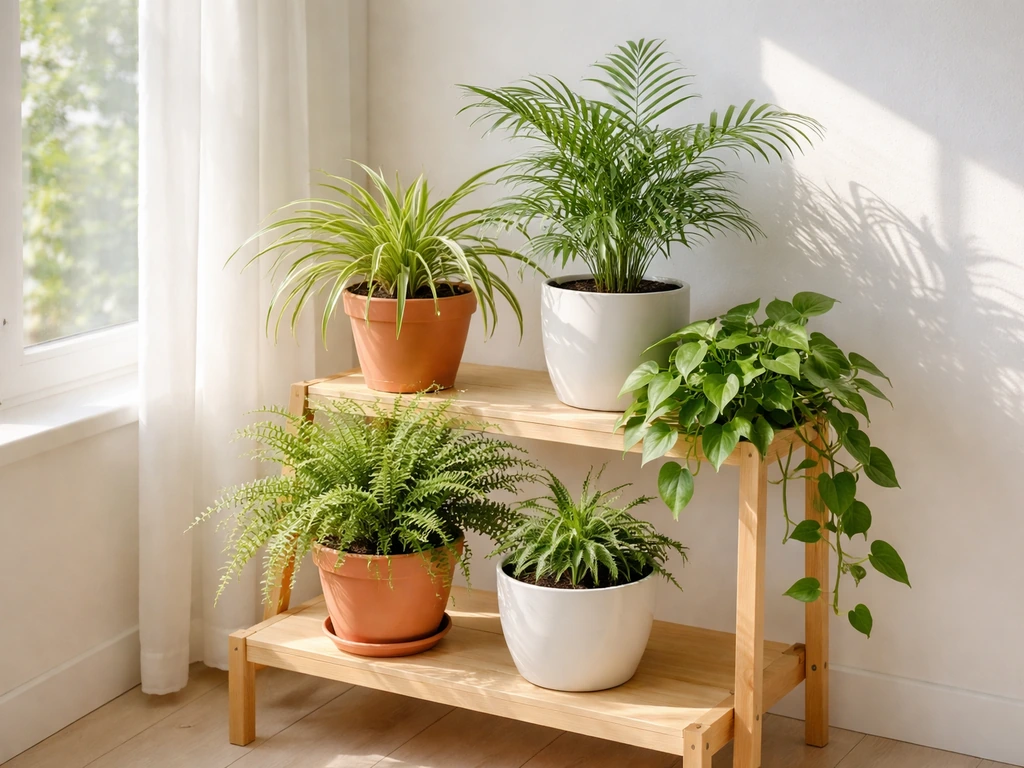
How to choose the 'best' houseplant for your space and lifestyle
Most people pick houseplants based on how they look in the store, which is how you end up with a sun-loving plant in a dark corner. Before you buy anything, answer these four questions honestly: Where will it live (how many feet from a window, and which direction does that window face)? How often do you actually want to water, once a week, once every two weeks, or whenever you remember? Do you have cats, dogs, or small kids who chew on things? And what do you want from the plant: lush green foliage, flowers, or air-filling structure?
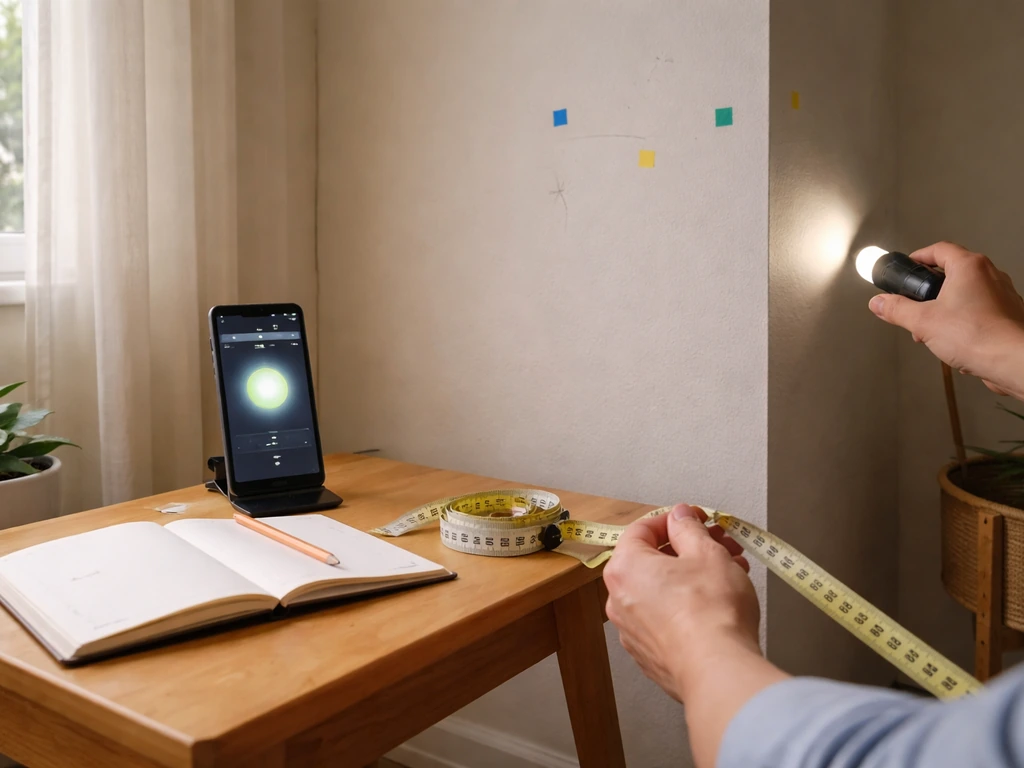
Light is the one factor you can't fake. A north-facing room or a spot more than 8 feet from any window is genuinely low light. South or west-facing windows with unobstructed sky are bright. Everything else falls somewhere in the middle. Measure foot-candles with a free phone app if you're unsure, low light is roughly 25 to 75 foot-candles, and many popular plants need far more than that to stay healthy. Match the plant to the light you actually have, not the light you wish you had.
Watering tolerance matters just as much for beginners. Overwatering kills more houseplants than anything else. If you're forgetful or busy, lean toward drought-tolerant plants like snake plants and ZZ plants rather than moisture-lovers that punish you for missing a week. Growth goal matters too: if you want color, look at flowering options like anthuriums or African violets for bright spots. If you just want reliable green without much effort, foliage plants are your friend.
Best low-maintenance houseplants for beginners
If you're new to houseplants or have killed a few and want to rebuild your confidence, start with plants that are genuinely forgiving. These aren't just 'hard to kill', they're plants that actively signal when something's wrong before it becomes fatal, which makes them great teachers.
- Snake plant (Sansevieria / Dracaena trifasciata): Tolerates low light better than almost any other houseplant. Water once every 2–4 weeks, less in winter. Long-lived and nearly indestructible. Note: toxic to cats and dogs.
- ZZ plant (Zamioculcas zamiifolia): Stores water in its thick rhizomes, so it handles neglect beautifully. Low to medium light. Water every 2–3 weeks. Great for beginners who travel.
- Pothos (Epipremnum aureum): Trails attractively and tells you it's thirsty by letting its leaves droop slightly. Grows in medium to bright indirect light. Fast-growing and rewarding. Note: toxic to pets.
- Spider plant (Chlorophytum comosum): Tolerates a wide range of light, bounces back from missed waterings, and produces baby 'spiderettes' that make propagation easy. Pet-safe per ASPCA.
- Heartleaf philodendron: Adaptable to medium-low light, quick to root from cuttings, and very vocal about thirst. Grows fast enough that beginners see progress quickly.
All five of these plants are widely available at garden centers right now in early May, which is one of the best times of year to bring new houseplants home. Longer days mean more ambient light indoors, and warmer temperatures help newly potted plants settle in and push new roots. If you're looking to build a small collection of easy growers, starting with two or three from this list is a solid plan. If you want multiple house plants together, group ones with similar light and watering needs to keep the whole collection thriving. If you want them to coexist happily, use the same light and watering needs to choose what 3 plants grow well together.
Best houseplants for bright vs. indirect vs. low light
Most homes have a mix of light zones, and choosing the right plant for each spot makes all the difference. Here's how to think about it by light level, with specific picks for each.
Bright light (within 2–4 feet of a south or west window)
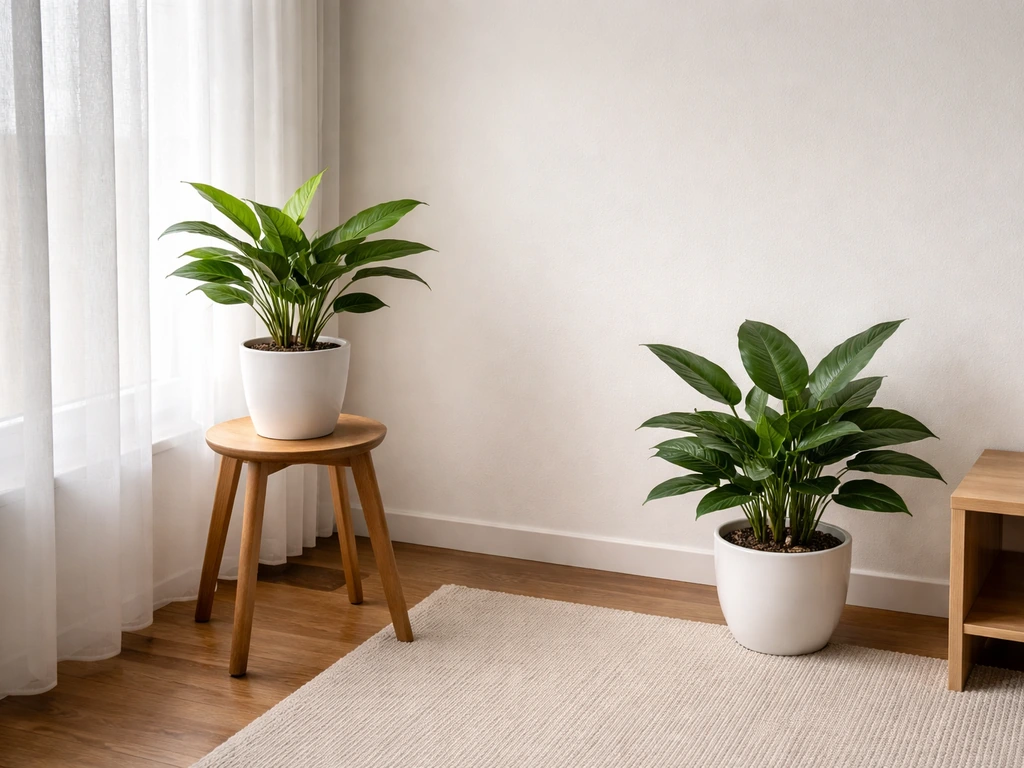
Bright indirect light is the sweet spot for the widest range of houseplants. Avoid direct afternoon sun on most tropical foliage plants, it scorches leaves. Good picks here include pothos, spider plants, peace lily, African violets, Boston ferns, and most aroids like monsteras and philodendrons. If you have a genuinely sunny south-facing sill, succulents and cacti love it.
Medium/indirect light (4–8 feet from a window, or near a north-facing window)
This covers most living rooms and bedrooms. Snake plants, ZZ plants, heartleaf philodendrons, pothos, and Chinese evergreens (Aglaonema) all handle this range well. Aglaonema in particular is underrated for medium light, it comes in a range of leaf colors and is genuinely tolerant of less-than-ideal conditions.
Low light (25–75 foot-candles, deep in a room or in a north-facing space)
True low-light spaces are challenging. Your best picks here are snake plants, ZZ plants, cast-iron plants (Aspidistra elatior), parlor palms, and bamboo palms. These are documented by extension services as tolerating the 25–75 foot-candle range that dim indoor spaces often produce. Keep expectations realistic, plants in low light grow slowly and won't look as lush as those in better light. They won't die, but they won't put on a show either.
| Plant | Light Tolerance | Watering Frequency | Pet Safe? | Best For |
|---|---|---|---|---|
| Snake Plant | Low to bright indirect | Every 2–4 weeks | No (toxic) | Beginners, low-light rooms |
| ZZ Plant | Low to medium | Every 2–3 weeks | No (toxic) | Travelers, forgetful waterers |
| Pothos | Medium to bright indirect | Every 1–2 weeks | No (toxic) | Fast growth, trailing display |
| Spider Plant | Low to bright indirect | Every 1–2 weeks | Yes | Pet homes, hanging baskets |
| Aglaonema | Low to medium | Every 1–2 weeks | No (mildly toxic) | Colorful foliage, dim spaces |
| Parlor Palm | Low to medium | Every 1–2 weeks | Yes | Low-light corner greenery |
| Peace Lily | Low to medium indirect | Every 1 week | Mildly irritating to pets | Flowering, low light |
| Cast-Iron Plant | Low | Every 2–3 weeks | Yes | Very dark spaces |
Pet-safe and kid-safe houseplant options (and what to avoid)
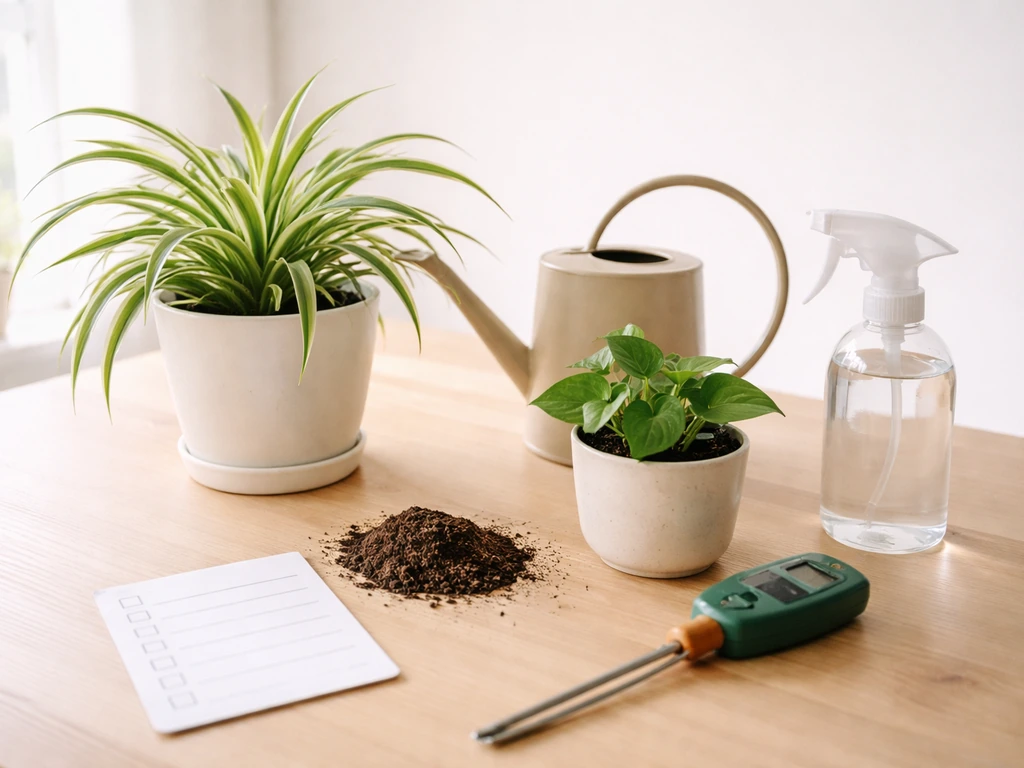
This is where a lot of plant guides gloss over the details, and it's worth being direct: many of the most popular and widely sold houseplants are toxic to cats and dogs. Snake plants are listed as toxic to both cats and dogs by the ASPCA. Pothos is documented as poisonous to pets by both the Pet Poison Helpline and veterinary reference guides. True lilies (Lilium species) are one of the most dangerous plants for cats, even small exposures can cause rapid kidney failure according to the FDA. If you have cats or dogs who chew on leaves, these plants need to be completely out of reach or out of the house.
The good news is there are genuinely safe options. Spider plants are listed as non-toxic to both cats and dogs by the ASPCA, making them one of the best all-around choices for pet households. Parlor palms are also considered non-toxic. Cast-iron plants are pet-friendly. Boston ferns, areca palms, and most Calathea varieties are also on the safe list. If you have cats who like to nibble, spider plants and Calathea are your go-to starting points.
Peace lilies are often described as mildly toxic, they contain calcium oxalate crystals that cause irritation, drooling, and vomiting, but don't cause the kidney damage that true lilies do. ASPCA’s houseplant safety guidance also flags blank" rel="noopener noreferrer">pothos (*Epipremnum aureum*) and peace lily (*Spathiphyllum* spp.) as toxic/problem plants for pets. Still worth keeping away from pets who chew. If anything is ingested and you're unsure, the ASPCA Animal Poison Control Center and the Pet Poison Helpline are both available 24/7. For animal poison-related emergencies, ASPCA Poison Control is blank" rel="noopener noreferrer">available 24/7 at (888) 426-4435. Don't wait and see, call immediately.
For homes with small kids, the same logic applies. Avoid plants with irritating sap (philodendrons, dieffenbachia) in rooms where toddlers play unsupervised. Spider plants, Boston ferns, and parlor palms are solid child-safe picks that are also easy to care for. If you want a fuller guide to plants that are safe for cats specifically, that's worth exploring as its own topic, there's real nuance in the 'mildly toxic vs. If you want a fuller guide to houseplants that are easy to grow and safe for cats specifically, that's worth exploring as its own topic, since there’s real nuance in what’s truly non-toxic. safe' distinction.
What to do with your houseplants right now (May 2026)
It's early May, which is genuinely one of the best windows of the year to act on your houseplant plans. Days are getting longer across most of the US, natural indoor light levels are climbing, and most houseplants are waking up from their slower winter period. Here's what to do in the next two to four weeks depending on where you are.
If you're in the Northern US, Pacific Northwest, or Canada
Spring arrived later for you, and your indoor light has only recently started picking up significantly. Now is the right time to start fertilizing again, but go light. Use a balanced liquid fertilizer at half strength every two to four weeks as growth resumes. Don't fertilize until you actually see new growth (new leaves, buds, or emerging stems). Repot anything that's clearly rootbound, Illinois Extension recommends spring or early summer as the ideal window for repotting, and plants you repot now will have the whole growing season to fill in their new containers.
If you're in the Southern US, Southwest, or similar warm regions
Your plants have been in active growth for a few weeks already. Watch for increased watering needs as temperatures rise, plants near windows may dry out faster than they did in March. Now is also a good time to move plants that struggled through winter into better light positions, or to shift sun-sensitive plants back from south-facing windows before summer heat intensifies. In Texas, Florida, or Arizona, direct afternoon sun through a window in June can scorch even supposedly sun-tolerant plants.
General spring care checklist for now
- Check soil moisture before every watering — let the top 2 inches dry out before watering again, regardless of what type of plant it is.
- Start fertilizing at half-strength liquid fertilizer every 2–4 weeks once you see new growth, not before.
- Repot anything that's rootbound (roots circling the pot or growing out of drainage holes) — now is the right time.
- Wipe dust off large leaves with a damp cloth to improve light absorption.
- Do an early light pruning on leggy plants — pothos, spider plants, and heartleaf philodendrons all respond well to a spring trim.
- Isolate any new plants you bring home for one to two weeks before placing them near your existing collection, so any hidden pest problems become visible first.
One thing to avoid right now: over-fertilizing. If a plant is still in low light or hasn't started pushing new growth yet, adding fertilizer can cause root burn rather than a growth boost. Illinois Extension specifically warns that too much fertilizer when growth is slowed can damage roots. Wait for the plant to show you it's ready.
Common mistakes and how to fix them fast
Most houseplant problems come from a short list of mistakes. Here are the ones I see most often, what they look like, and what to do about them.
Overwatering (the most common killer)
Signs: yellowing leaves, soft or mushy stems, soggy soil that never seems to dry, and eventually brown/black mushy roots. The fix: stop watering immediately, check the roots, and if they're partially rotted, remove all the infected roots with clean scissors, let the remaining roots air dry for an hour, and repot into fresh sterile mix in a clean pot with drainage holes. Never leave a plant sitting in a saucer of water, roots rot fast in standing water. Going forward, always check the top 2 inches of soil before watering. If it's still moist, wait.
Fungus gnats
Those tiny flies hovering around your pots are fungus gnats, and their larvae live in the top 2 inches of moist potting soil. The fix is almost always just letting the soil dry out more between waterings. The larvae need that surface moisture to survive. Avoid overwatering and you break the cycle within a few weeks. If they persist, yellow sticky traps catch adults while the drying-out process handles the larvae.
Spider mites
Spider mites thrive in hot, dry conditions with low humidity, exactly what many indoor environments offer in winter and in air-conditioned summer spaces. Look for fine webbing on undersides of leaves and a dusty, stippled appearance to the foliage. Fix: increase humidity (a pebble tray with water or a small humidifier helps), wipe down leaves, and treat with neem oil or insecticidal soap labeled for indoor use. Isolate affected plants immediately.
Mealybugs and scale
Mealybugs look like small white cottony clusters, usually in leaf joints and under leaves. Scale looks like small brown bumps on stems. Both produce sticky honeydew residue on leaves and surfaces below the plant. Treat with insecticidal soap, horticultural oil, or neem oil labeled for indoor plants. These pests spread, so isolate the affected plant right away and check everything nearby.
Leggy, stretched growth
If a plant is growing long, thin stems with lots of space between leaves, it's reaching for more light. This isn't a watering or feeding issue, the plant simply needs to be moved closer to a light source. Prune the leggy growth back to encourage bushier new growth, then reposition the plant. Adding more fertilizer won't fix a light problem; it usually makes things worse.
Salt buildup from fertilizer
Over time, dissolved salts from fertilizer and tap water accumulate in potting soil and can burn roots. You'll notice crusty white deposits on the soil surface or pot rim. Every four to six months, leach the soil by running clear water through the pot slowly and letting it drain fully, repeat two or three times. This flushes the buildup out through the drainage hole.
The overarching pattern in all of these problems is the same: most houseplant failures come from doing too much, not too little. Overwatering, over-fertilizing, and moving plants around too often are the main culprits. Pick your plants based on the light you have, water only when the soil actually needs it, and give new plants a few weeks to settle before expecting much. Do that consistently and you'll have a thriving indoor garden by summer.
FAQ
What’s the easiest way to figure out if a houseplant needs water, beyond “once a week”?
Check the moisture at two depths: the top 2 inches like the article suggests, then also feel the weight of the pot. If the top is dry but the pot still feels heavy, wait a few more days, because dense pots and peat-heavy mixes can stay wet longer below the surface.
If I have bright light but my plants still struggle, what should I troubleshoot first?
Look for drying mismatches and root issues. Bright light plus persistent soggy soil usually means overwatering or poor drainage. Confirm the pot has drainage holes, empty any saucers after watering, and inspect roots if leaves yellow or stems soften.
How close is “too close” to a window for sun-sensitive plants in summer?
If leaves are getting crispy tips or bleached patches, you’re too close or the sun is too direct. A good rule is to keep tropical foliage plants back far enough that you cannot feel intense heat through the glass on a hot afternoon, then use a sheer curtain if needed.
Can I grow the same “best houseplants to grow” list under artificial light or grow lights?
Yes, but expect slower adjustment time. Start with an easier goal, like bright indirect plants, and run grow lights on a simple schedule (often 10 to 12 hours daily) to avoid stress, then fine-tune based on new leaf growth and not color alone.
What soil and pot changes make snake plants and ZZ plants fail less often?
Use a fast-draining mix and a pot that lets water move through quickly. If water pools on the surface for more than a short time or the pot stays heavy for many days, switch to a gritty, cactus-like blend and make sure drainage is unobstructed.
Are spider plants safe if my pets can reach the leaves, but I plan to keep them high?
Keeping them out of reach helps, but reassess placement after pet behavior changes. Some cats jump higher over time and younger dogs learn routes fast, so still use a secure location (not just a taller shelf) and supervise during the first few weeks.
If peace lilies are “mildly toxic,” what’s the practical risk level for households with pets?
The practical issue is the irritation and drooling if chewing happens, not kidney damage from true lilies. Still, remove fallen leaves promptly, avoid placing plants where pets can mouth them, and call poison control immediately if you suspect any significant chewing.
What should I do if my plant is leggy, but the room lighting seems okay?
Legginess often means light is right, but intensity is too low at the plant’s exact position. Move it closer to the brightest window, rotate it weekly for even growth, and only then consider pruning, since extra fertilizer won’t correct a light deficit.
How do I prevent fertilizer salt buildup without overcompensating?
Instead of flushing on a fixed schedule alone, watch for early signs like crusting and then leach thoroughly. Also reduce strength if your plant sits in low or medium light, because salts accumulate faster when growth is slow.
When should I repot, and how do I know I’m not repotting too early?
Repot when roots are clearly circling or emerging from drainage holes, not just because it’s been a few months. If growth hasn’t resumed, wait until you see new leaves or stems first, because repotting a plant that is still stalled increases stress.
What’s the safest “starter purchase” if I’m new and also have pets or small kids?
Pick from the most forgiving, generally pet- and child-appropriate options mentioned in the article, like spider plants, parlor palms, cast-iron plants, and Boston ferns. Then choose placement that prevents chewing, because even mildly irritating plants can cause problems if actively mouthed.
Next Article
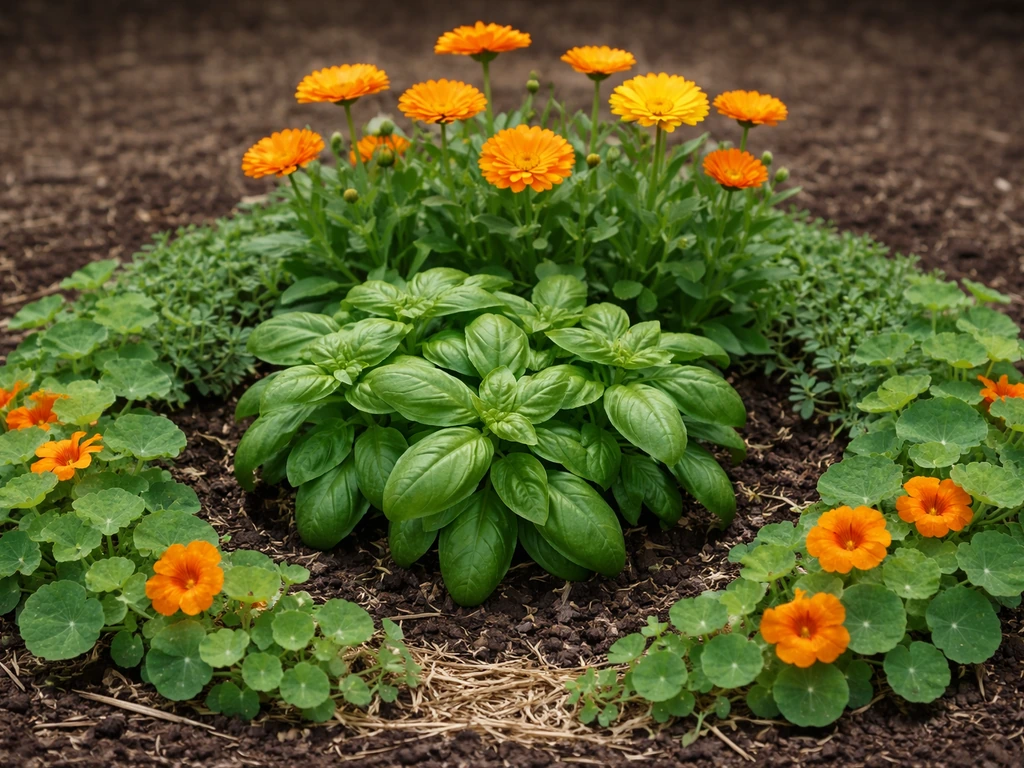
What 3 Plants Grow Well Together Best Companion Trios
Ready-to-plant 3-companion plant trios for edibles, pollinators, and containers, with spacing, care tips, and microclima