
The best plants to grow in Skyrim are Creep Cluster, Mora Tapinella, Scaly Pholiota, Nightshade, and Blue Mountain Flower. Those five cover most of your alchemy needs, sell well raw, and can all be grown on Fertile Soil plots in your Hearthfire greenhouse or exterior garden. If you only have room for a handful of plots and want a simple answer: plant Creep Cluster and Mora Tapinella first, then fill the rest with Nightshade. Everything below explains the reasoning, the timing, and how to squeeze the most gold out of every harvest.
Skyrim Best Plants to Grow: Alchemy, Money, Locations
Rachel Hartley
11 Apr 2026
Top picks: best plants to grow in Skyrim overall
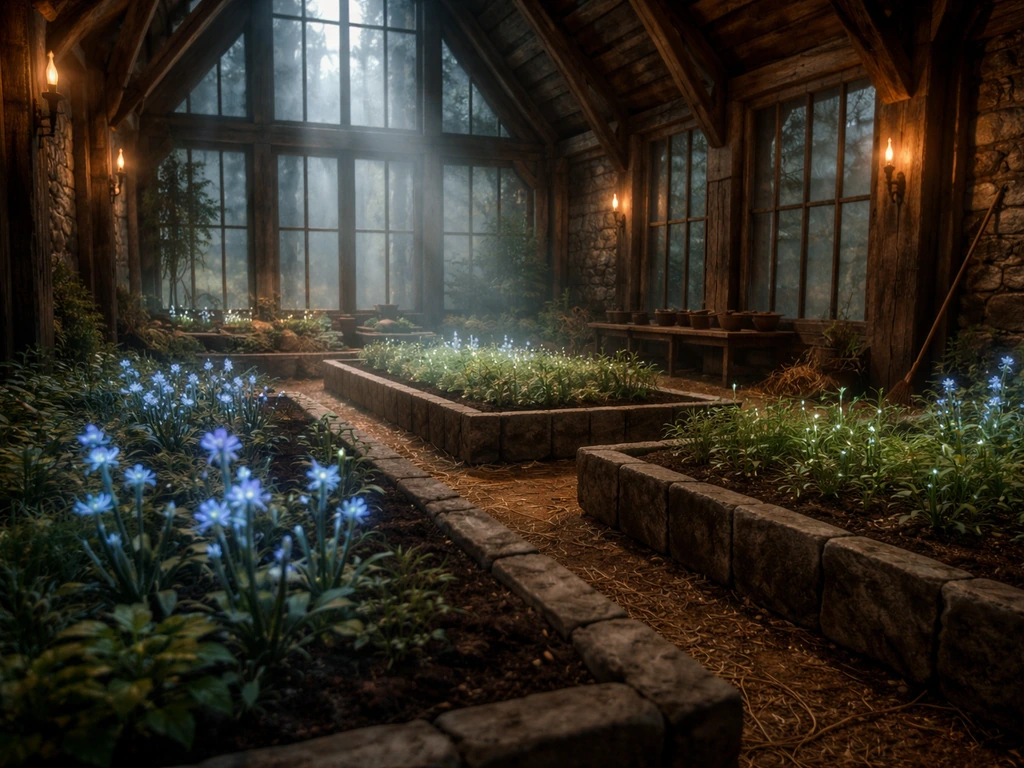
Skyrim's greenhouse (added with the Hearthfire DLC) holds up to 18 Fertile Soil plots, and your exterior garden gives you additional space on top of that. Every plot lets you plant the ingredient of your choice by simply activating the soil tile. That flexibility means your plant selection should be intentional, not random. Here are the plants worth prioritizing across all playstyles:
- Creep Cluster: high alchemy value, contributes Fortify Carry Weight and other useful effects, and it is plantable and repeatable.
- Mora Tapinella: an uncommon ingredient that apothecary merchants only carry with a 15% chance in batches of 1–5, so growing it yourself is far more reliable than shopping for it.
- Scaly Pholiota: pairs well with Mora Tapinella for synergistic potion effects and is similarly rare in the wild.
- Nightshade: a workhorse for poisons, easy to grow, and useful early in the game before your alchemy skill climbs.
- Blue Mountain Flower: the core ingredient in Health potions; stacking it with other Restore Health ingredients makes it endlessly useful.
- Canis Root: pairs with other plantable ingredients for paralysis potions, which are both effective in combat and valuable for sale.
- Imp Stool: rounds out your poison ingredient supply alongside Nightshade and Canis Root.
If you are newer to Skyrim farming and want a lower-effort general setup, add one or two food crops like cabbage or gourds to your exterior garden. Cabbage is used in vegetable soup, which is one of the best stamina-restore foods in the game, so having a steady supply in your garden pays off beyond alchemy. Your greenhouse can serve both food production and ingredient harvesting in the same space since Fertile Soil supports both types.
Alchemy-focused harvest plants (fastest value)
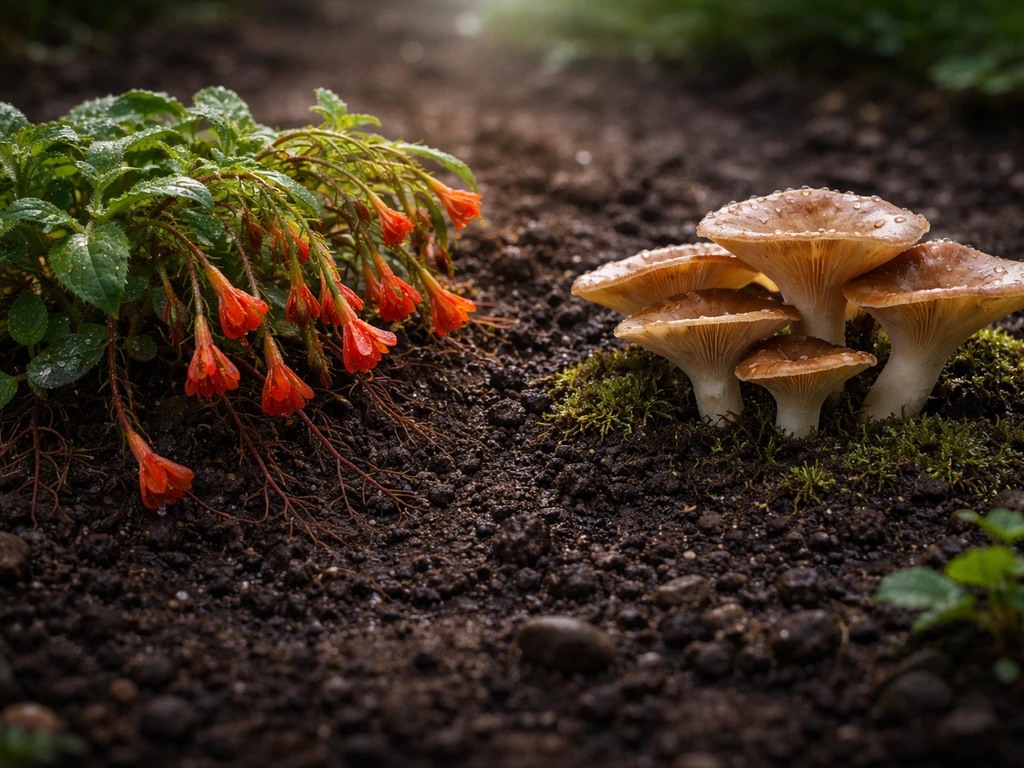
For pure alchemy output, your goal is to grow ingredients that either produce high-value potions on their own or unlock powerful effect combinations when paired. The three plants that give you the best return on plot space are Mora Tapinella, Creep Cluster, and Scaly Pholiota, and the reason is practical: these are all categorized as uncommon ingredients in the game's merchant system. Mora Tapinella, for example, has only a 15% stocking chance at apothecary merchants, and even then you might only get one or two samples. Grow it yourself and you bypass that bottleneck entirely.
Here is how the top alchemy plants map to their primary effects:
| Plant | Key Alchemy Effects | Best Paired With |
|---|---|---|
| Mora Tapinella | Restore Stamina, Fortify Illusion, Regenerate Stamina, Damage Magicka Regen | Scaly Pholiota, Creep Cluster |
| Creep Cluster | Restore Magicka, Fortify Carry Weight, Damage Stamina Regen | Mora Tapinella, Scaly Pholiota |
| Scaly Pholiota | Fortify Stamina, Fortify Carry Weight, Fortify Two-Handed | Creep Cluster, Mora Tapinella |
| Nightshade | Damage Health, Fortify Destruction, Damage Stamina | Imp Stool, Canis Root |
| Blue Mountain Flower | Restore Health, Fortify Conjuration, Fortify Magicka | Wheat, Giant's Toe |
| Canis Root | Damage Stamina, Fortify One-Handed, Paralysis | Imp Stool, Swamp Fungal Pod |
| Imp Stool | Damage Health, Damage Stamina Regen, Lingering Damage Stamina | Canis Root, Nightshade |
If your alchemy skill is high and you have the right perks, brewing potions before selling will multiply your profits significantly compared to selling raw ingredients. If your skill is still low, raw ingredient sales are the smarter move since underpowered potions sell for less than their component ingredients in many cases. Either way, growing these plants yourself means you always have supply on hand rather than waiting for merchant restock timers.
One thing worth noting: Creep Cluster has some specific harvesting behavior in small garden setups. Positioning yourself so your viewpoint directly aligns with the plant (rather than trying to interact from an angle through the garden fence) prevents the common situation where the prompt does not appear and you walk away thinking you harvested when you did not. Small adjustment, but it saves a lot of wasted trips.
Money-making crops and plant profit strategy
There is a concrete gold benchmark worth keeping in mind: a well-planted Hearthfire greenhouse can generate roughly 850 to 1,000 gold per harvest cycle when stocked with high-value ingredients. Each Fertile Soil plot produces 2 to 5 samples per harvest, so 18 plots of something like Mora Tapinella or Creep Cluster adds up fast. The math gets even better once you factor in that you can sell the raw ingredients directly to alchemist merchants without needing to craft anything.
For a dedicated money-making setup, the most efficient strategy is to dedicate the majority of your greenhouse plots (12 to 15 out of 18) to your top three ingredient picks, then use the remaining plots for alchemy support plants. Sell the raw ingredients to every available alchemist in a single circuit: Arcadia in Whiterun, the court wizard at each hold, and the traveling merchants you encounter on the road. Each merchant has a separate gold pool, so hitting multiple vendors in one trip maximizes what you can unload per cycle.
If you also own Goldenhills Plantation, keep in mind that blank" rel="noopener noreferrer">its farm respawns on a 10-day cycle, which is much slower than the Fertile Soil regrowth timer. That makes Goldenhills better as a supplementary income source for food crops rather than a primary alchemy ingredient farm. Treat it as passive income and do not build your main profit loop around it.
One underrated money angle: potions made from Creep Cluster plus Mora Tapinella plus Scaly Pholiota all share effects, and at higher alchemy levels with the right perks, the resulting potions sell for significantly more per ingredient used than selling components raw. Once your alchemy hits the mid-game range, switch to brewing before selling rather than selling raw to get more gold per harvest cycle.
Where to plant in Skyrim: locations and harvesting routes
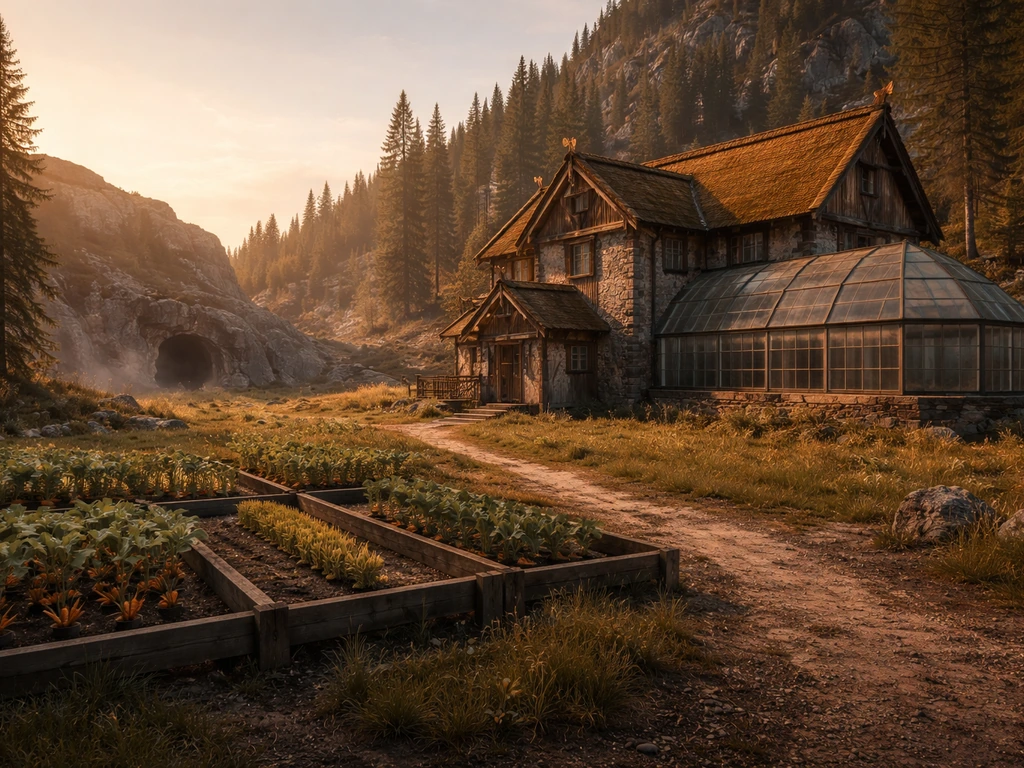
Your primary growing location should be the greenhouse attached to your Hearthfire property. All three Hearthfire homes (Lakeview Manor, Heljarchen Hall, and Windstad Manor) support greenhouse and exterior garden construction. The greenhouse holds up to 18 Fertile Soil plots and is the fastest-cycling, highest-volume option available. The exterior garden adds more plots but in an open layout, so plan your harvesting route to sweep through in one pass without backtracking.
Outside your home properties, Bloodchill Cavern is worth including in your regular route. It contains three Fertile Soil plots already planted with snowberries, which you can harvest on your visits. Snowberries contribute Resist Frost, Fortify Enchanting, and Restore Magicka effects, so they slot into several useful potion builds. Adding a short detour to Bloodchill Cavern every few in-game days keeps your snowberry supply topped off without using your own plot space for them.
For a practical harvesting route, organize your circuit like this: start at your greenhouse, clear all 18 plots, move to the exterior garden, then ride to the nearest hold and sell to the court alchemist and any traveling merchants you spot along the way. If you are playing a character focused on alchemy income, completing this loop every 3 to 4 in-game days aligns with the Fertile Soil regrowth timer and keeps your gold flowing steadily.
Wild harvesting supplements your planted crops and is worth doing opportunistically. blank" rel="noopener noreferrer">Creep Cluster grows naturally near water sources and geothermal hot springs around Eastmarch. Mora Tapinella appears on dead logs in forested areas, particularly around Falkreath and the Rift. Neither location is as reliable as your greenhouse, but they fill gaps when your plots are mid-cycle and you need ingredients immediately.
Seasonality and grow timing: what to plant when
Skyrim does not model seasons in a way that directly blocks what you can plant, but there is a clear timing rhythm to work with. Newly planted Fertile Soil plots produce harvestable plants in 24 hours. After you harvest, the same plot takes 3 days to regrow. That means your planting cadence should be: plant everything at once, harvest at the 24-hour mark, then return every 3 days from that point forward. Trying to stagger your plantings across multiple days actually makes management harder since you end up with plots at different stages and have to make multiple trips.
For food crops planted in the exterior garden (things like cabbage, gourds, wheat, and leeks), the regrowth behavior follows the farm respawn timer rather than the Fertile Soil 3-day rule. These crops regrow when the farm respawns after ten days, which is the same cycle that governs locations like Goldenhills Plantation. If you are growing food crops for cooking ingredients rather than alchemy, plan to check those every 10 in-game days rather than every 3.
A practical mental model: your greenhouse is your fast cycle (24 hours to first harvest, 3 days to regrow), and your food garden is your slow cycle (10-day respawn). Prioritize high-value alchemy ingredients in the greenhouse and treat food crops as a bonus you collect during the slower cycle. That way you are never sitting idle waiting for a harvest that is not due yet.
If you are starting a new character and just built your first Hearthfire home, here is the recommended sequence: plant your greenhouse plots immediately after construction, do one in-game day of questing or exploration, return to harvest your first batch, sell the raw ingredients to cover your next building costs, then replant immediately so the 3-day clock starts. By the time you have finished furnishing the house, your second harvest will be ready.
Growing methods: beds vs containers, care basics, and troubleshooting
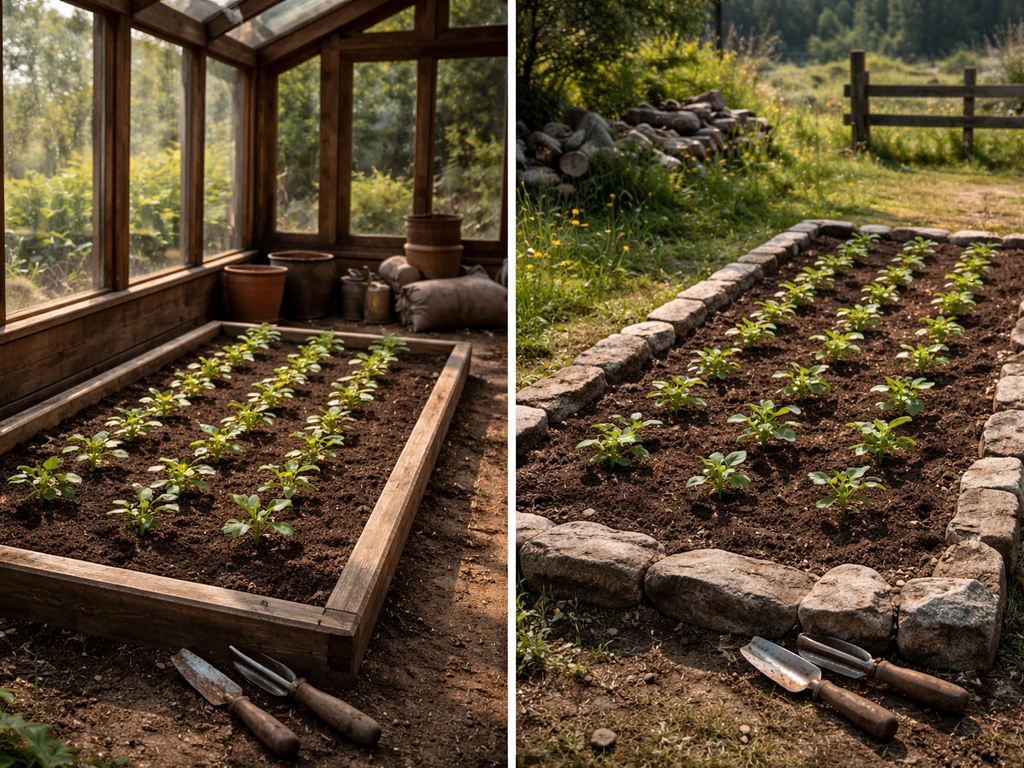
Beds vs containers in practice
In Skyrim terms, the equivalent of the "beds vs containers" choice is greenhouse Fertile Soil plots versus exterior garden plots. The greenhouse gives you a controlled, indoor layout where all 18 plots are accessible in a tight space with minimal travel between them. The exterior garden is more spread out and exposed, which does not affect growth rates but does mean a slightly longer harvesting route. For alchemy ingredients, always prioritize filling your greenhouse first since it is faster to sweep clean. Use exterior plots for food crops or overflow plantings of lower-priority ingredients.
There is no "watering" or "fertilizing" mechanic to manage in Skyrim farming. Once you plant in Fertile Soil, the system handles itself. What you do need to manage is the seed or ingredient supply for initial planting. To plant something in a Fertile Soil plot, you need to have the ingredient itself in your inventory. So before you can fill all 18 greenhouse plots with Mora Tapinella, you need 18 Mora Tapinella samples to start with. This is where the uncommon ingredient problem comes back around: Mora Tapinella is rare enough in shops that getting 18 samples to seed a full greenhouse might take some foraging in the wild (look on dead logs in Falkreath Hold) or a few merchant restock cycles before you can fully commit to it.
Common troubleshooting issues
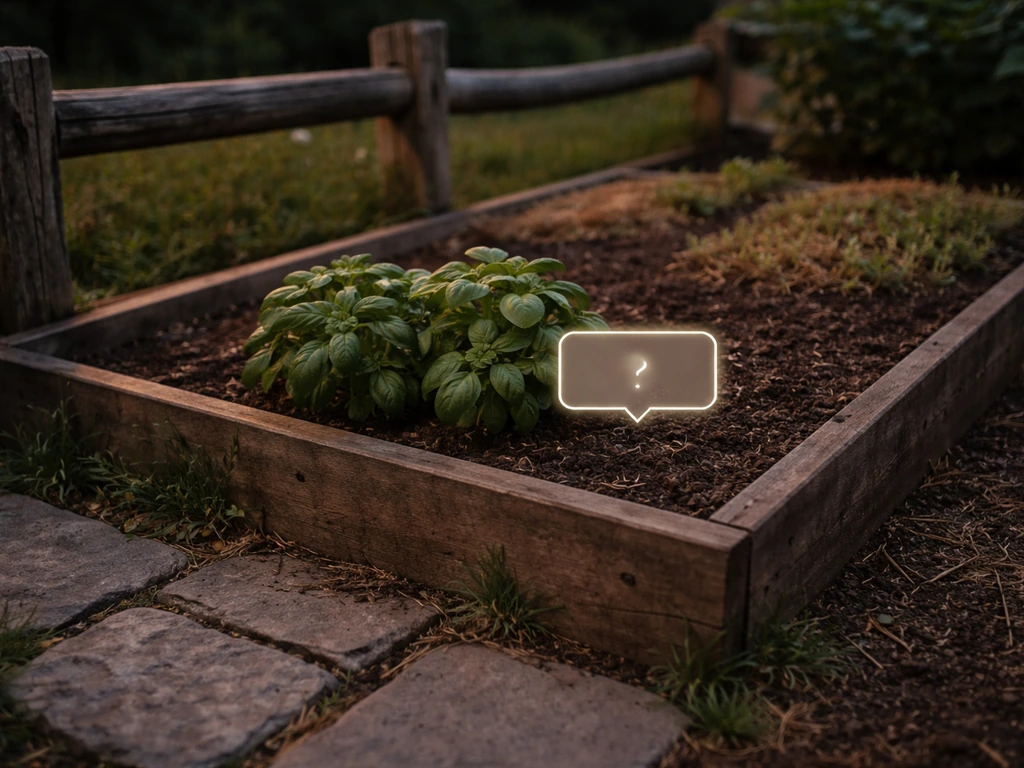
The most frequent problem with Hearthfire farming is harvests not appearing when expected. This is almost always a loading issue rather than a game bug. If you fast travel away and return too quickly, the cell may not have fully refreshed and your plants will look unharvested even though the timer has reset. The fix is simple: when you return to harvest, enter the building, wait briefly, and then approach the plots. This forces the cell to load properly and the harvest prompts will appear.
The second most common issue is missing the interaction prompt on exterior garden plants, especially in the corners of the plot area. As mentioned earlier, positioning matters. Walk directly up to the plant model and approach from the side facing you, not through a fence or planter border. If the prompt still does not appear, try moving slightly and waiting a moment.
If you find yourself running low on seed stock between plantings (because you used harvested ingredients to brew potions instead of replanting), keep a small reserve of each ingredient type in a container inside your home. Label it mentally as your seed bank: never brew your last sample of any ingredient you want to keep growing. Running out of Mora Tapinella samples means a trip back into the wild to restock before you can resume your planting cycle.
Skyrim farming shares a lot of the same decision-making logic you find in other survival and exploration games with planting systems. If you are curious how other game farming setups compare, the approach used in games like Icarus plant growing strategies has some interesting overlap with Skyrim's greenhouse efficiency logic, and it is worth a look if you enjoy optimizing harvest cycles across different game worlds. Similarly, players who farm in space exploration titles will recognize the same resource-maximization thinking behind choosing the best plants in No Man's Sky, or more specifically in a dedicated growing setup like a No Man's Sky freighter farm. Even the ingredient selection logic in Hogwarts Legacy plant growing mirrors the Skyrim approach of matching what you grow to what you actually need for combat and crafting.
Your next steps at a glance
- Build the greenhouse addition at your Hearthfire home if you have not already. All three home locations support it.
- Gather 12 to 18 samples of Mora Tapinella and Creep Cluster from the wild (Falkreath forests and Eastmarch hot springs) to seed your initial plots.
- Plant all greenhouse plots at once. Mark the time and return in 24 hours for your first harvest.
- Sell raw ingredients immediately to multiple alchemist merchants across different holds to maximize gold per cycle.
- After your first harvest, replant immediately and start the 3-day regrowth cycle. Add Nightshade, Canis Root, and Imp Stool to the remaining plots to round out your alchemy supply.
- Once your alchemy skill reaches a useful level, shift from selling raw to brewing and selling potions for a higher per-ingredient return.
- Add Bloodchill Cavern to your regular route for free snowberry harvests without spending a plot on them.
FAQ
Can I mix different alchemy plants in the greenhouse to avoid running out of seed stock?
You can, but it is usually a bad trade for the greenhouse. Fertile Soil plots require you to have the ingredient in your inventory at planting time, so mixed planting can easily bottleneck you on rare ingredients (like Mora Tapinella) while other plots could have been producing. A good compromise is to keep the greenhouse mostly to your top 3 and reserve the lower-priority plants for exterior overflow plots.
If I’m trying to make money quickly, should I brew immediately after harvesting or sell everything raw?
No. If you brew potions, you are consuming ingredients, which can stop your greenhouse cycle if you run out of samples needed to replant. Keep a small “seed bank” stock for each ingredient type you farm, and only brew from your excess after the plots are replanted.
How do I know when brewing potions will actually make me more gold than selling ingredients raw?
Use raw sales until your Alchemy perks and skill are high enough that potion value reliably beats component value. A practical rule is to compare profit per ingredient: if the finished potion sells for less than or equal to what those ingredients would sell for individually, keep selling raw until you level up or adjust perks.
What’s the best way to prevent the “harvest prompts didn’t appear” problem?
Avoid fast traveling right after harvesting. Even if the timer seems done, the cell may not fully refresh, causing missing prompts or “looks unharvested” confusion. When you return to farm, enter the building or stay in the area briefly before interacting with the plots.
Does the order I harvest plots in matter for maximizing output?
Plan to harvest in one sweep and replant immediately at the end of that sweep. Stopping mid-route increases the chance you forget which plots have been handled, and it also increases the odds you leave plots unharvested until the next trip, which makes your cycle feel inconsistent.
How should I manage inventory when doing a full greenhouse harvest and then selling?
Yes. For high-volume greenhouse runs, organize your inventory so you do not run out of carry weight or vendor time. For example, sell raw ingredients to alchemists first, then only brew if you can still carry enough samples to replant all plots afterward.
Should I rely on Goldenhills Plantation for my main alchemy income?
Goldenhills Plantation regrows on a much slower timer than Fertile Soil, so treat it as a periodic bonus, not your main alchemy engine. The most efficient use is growing food or supplementary ingredients there, then focusing your greenhouse plots on fast-cycling alchemy targets.
Are wild snowberries from Bloodchill Cavern a substitute for greenhouse plotting decisions?
No, they are not equally interchangeable. Snowberries from Bloodchill Cavern are valuable because they support multiple potion effect combinations, but they occupy greenhouse or exterior plot space only if you choose to plant them yourself. If you want maximum gold efficiency, use Bloodchill Cavern as a detour supply and keep your own plots dedicated to the highest-return alchemy ingredients.
What should I do if I keep missing the interaction prompt on exterior garden plants?
For exterior garden plots, the interaction prompt can fail near borders and corners. Stand close to the plant model, approach from the side where the plot surface is fully visible, and avoid clicking through the fence or planter edge. If needed, step a few steps sideways, wait briefly, then try again.
What’s the best way to start when I cannot seed all greenhouse plots right away?
Only if you have enough seeds to cover the full replanting step. Since each greenhouse plot needs the ingredient in your inventory, you need enough samples to restore all 18 plots after harvest, not just enough to plant initially. If you are short, prioritize Mora Tapinella first, then Creep Cluster, then fill remaining plots based on what you can reliably restock.
Next Article
Best Indoor Plants That Grow Tall: Top Picks & Care Guide
Best tall indoor plants by light, care and season, real heights, potting, pruning, pests, plus a quick picker's guide.