New Mexico is a genuinely tricky growing state: elevations range from roughly 2,800 feet in the southeast lowlands to over 7,000 feet in the northern mountains, so a planting date that works in Las Cruces in February can be weeks or months too early for Santa Fe. The state also spans USDA hardiness zones 4b through 9a.
NRCS (USDA) publishes New Mexico plant hardiness zones with specific temperature ranges, such as 4b (−25 to −20°F) and 9a (20 to 25°F) [USDA hardiness zones 4b through 9a](https://efotg. sc. egov. usda.
gov/references/public/NM/nmplanthardiness_zones. pdf). Add in the arid climate, intense sun, and alkaline soils, and "what should I grow" is a legitimately nuanced question. That said, the core answer is simpler than it sounds: a handful of reliable crops and plants perform well across most of New Mexico with modest adjustments for your elevation, and this guide walks you through exactly those.
NMSU Cooperative Extension (CR457B) recommends adding compost because many New Mexico soils are low in organic matter, and it provides guidance on how to use compost effectively add compost to New Mexico soils.
One quick note: if you were actually searching for in-game gardening tips for No Man's Sky, the NMS video game, the advice here won't apply to you. That game has its own planting mechanics, including Hydroponic Trays and Bio-Domes that don't need sunlight the same way outdoor growing does. You'd want a dedicated in-game resource, like the guide on growing plants on your freighter in NMS, which covers that setup specifically. This article is for people putting seeds in actual soil.
As of mid-April 2026, most of New Mexico is sitting in a critical planting window. The lower elevations (Albuquerque and south) are past their last frost and firmly in warm-season territory. Higher elevations (Taos, Santa Fe, Red River) are still getting frost risk through late April or early May. The practical upshot: if you're in the south or at low elevation, you can direct-sow or transplant warm-season crops right now. If you're at 6,500 feet or above, stick to cold-hardy starts indoors and wait another 2 to 4 weeks before moving anything tender outside.
How to choose the best plants for your conditions
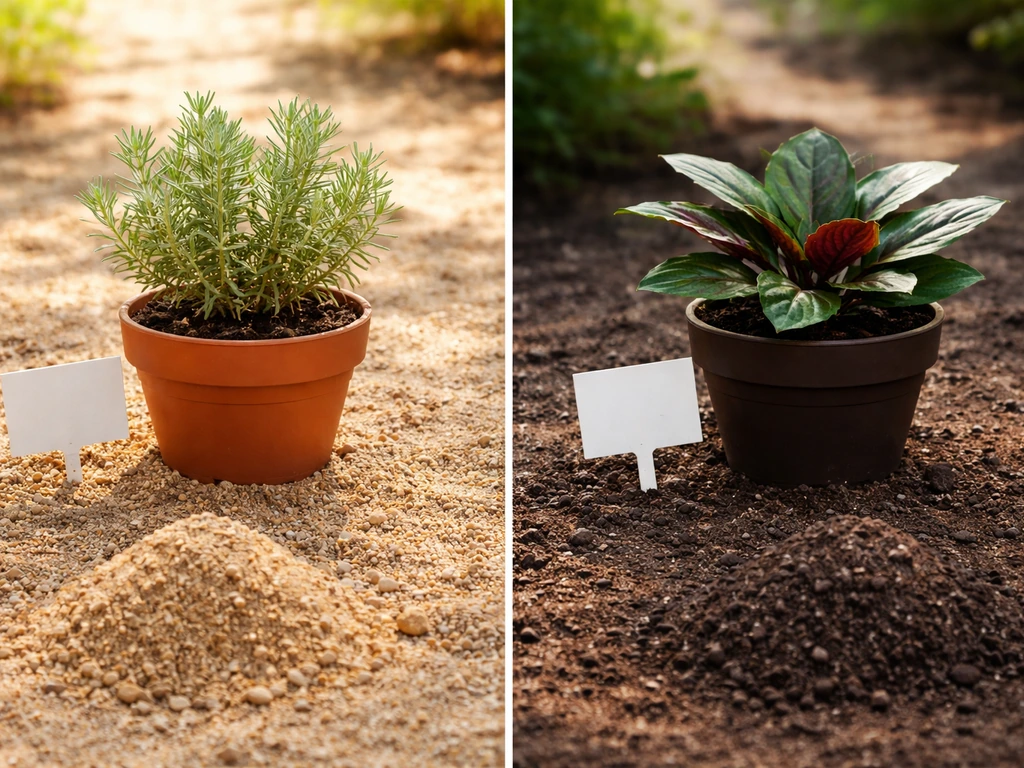
The single biggest mistake New Mexico gardeners make is choosing plants based on what looks good at the nursery rather than what matches their actual conditions. Here's a fast framework to filter your choices before you spend any money.
- Light: Most of New Mexico gets 300+ sunny days per year. That's almost never your limiting factor outdoors. But if you're growing on a north-facing balcony or under a portal overhang, treat yourself as a partial-shade grower and adjust accordingly. Full-sun vegetables like tomatoes and peppers will struggle without at least 6 hours of direct sun.
- Water: This is your real constraint. Drip irrigation or hand-watering every 1 to 2 days is standard in summer. A useful rule: push your finger about 2 inches into the soil; if it's dry at that depth, water now. Don't wait for leaves to wilt, especially in July and August heat.
- Temperature: The high-altitude temperature swings in New Mexico are brutal. A day that hits 75°F can drop to 35°F overnight in April. Use row cover or frost cloth on any transplant that isn't genuinely frost-hardy until your last frost date has reliably passed.
- Soil: New Mexico soils tend to be alkaline (pH 7.5 to 8.5) and low in organic matter. Amending beds with compost before planting is not optional here; it's essential. Container growers sidestep this issue entirely by using a quality potting mix.
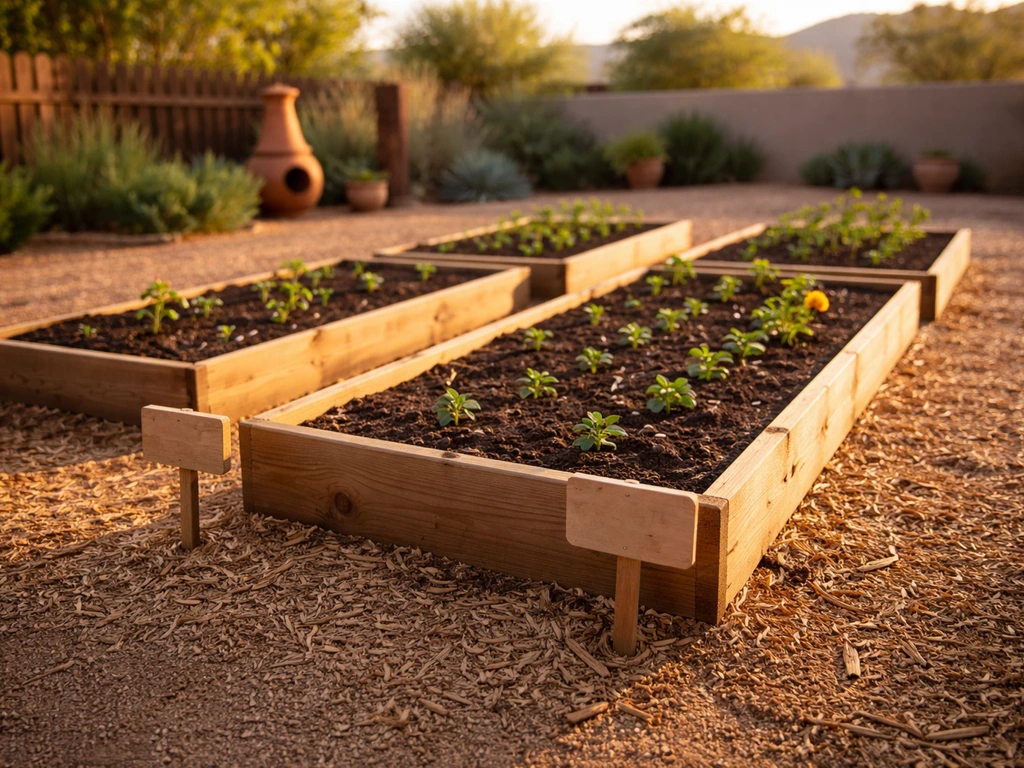
- Space: Raised beds or in-ground rows work great. But if you have a patio or small yard, containers are a completely valid and often superior option in New Mexico because they let you control soil quality and move plants to dodge late frosts.
Top easy wins: best plants to grow right now in mid-April
Here are the plants that make the most sense to start or transplant in New Mexico during the second half of April, split by elevation zone.
Low elevation (below 5,500 feet): go warm-season now
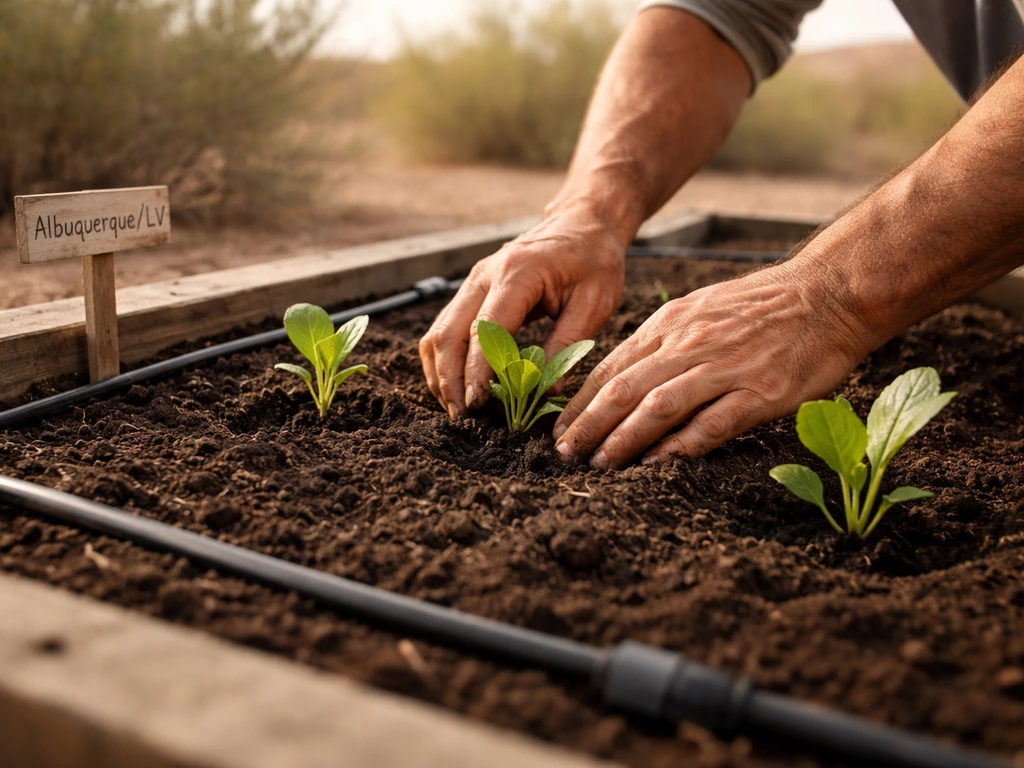
If you're in Albuquerque, Las Cruces, Roswell, or the Rio Grande valley, your frost risk is effectively zero by mid-April. This is the moment to transplant warm-season crops you started indoors 6 to 8 weeks ago, or to buy healthy transplants from a local nursery. Tomatoes, chile peppers (a New Mexico staple), summer squash, and basil are all excellent right now.
Chile peppers are genuinely the top pick for this state: they love the intense sun, tolerate alkaline soil better than most crops, and the harvest is personally and culturally meaningful to most New Mexico growers. For a quick food crop, radishes can be direct-seeded and harvested in as little as 25 days, and succession planting every 7 to 10 days keeps harvests coming through early June before heat shuts them down.
High elevation (5,500 to 7,500+ feet): stay cool-season for now
At higher elevations, April is still cool-season territory. Spinach is one of the best options here: it's direct-sowable now, tolerates light frost, and takes roughly 50 to 90 days from seed to full harvest. Lettuce is another strong choice, though it needs a bit of care during germination since lettuce seed requires light and should only be pressed lightly onto moist soil rather than buried. Keep soil temps around 60 to 65°F for best germination. Kale, chard, and peas also perform well. These crops appreciate the cooler nights that high-elevation gardens provide naturally, and they'll be winding down right around the time warm-season planting becomes safe in June.
Best low-maintenance and container options
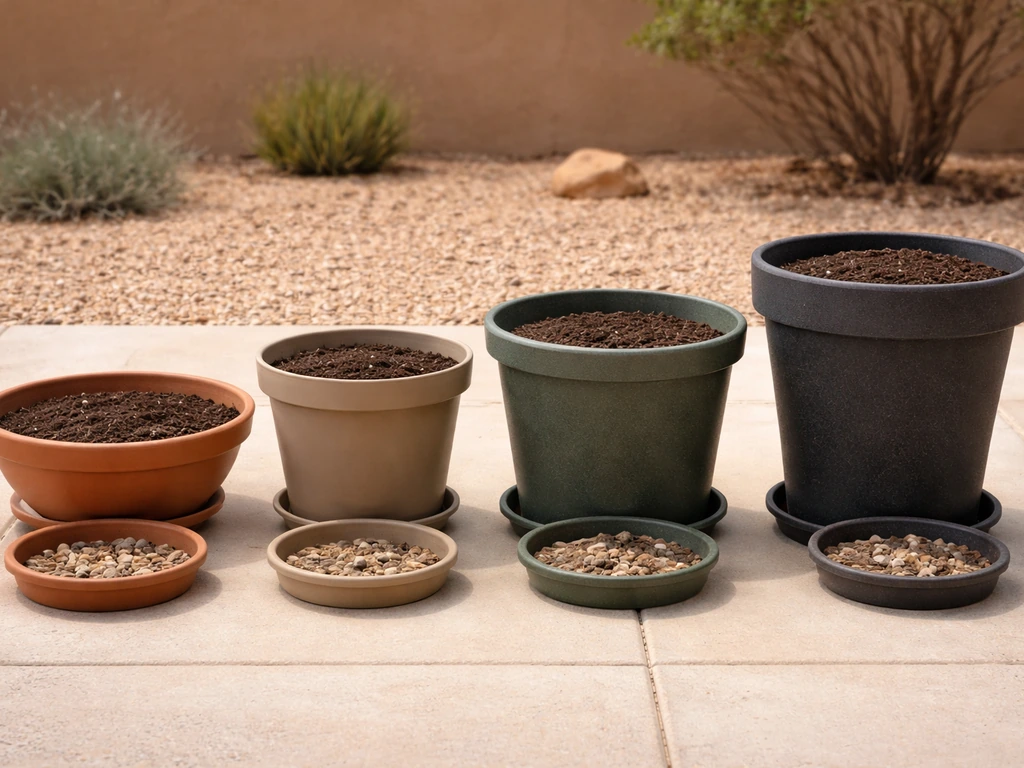
Container gardening is genuinely underrated in New Mexico, and not just for apartment dwellers. Moving containers is one of the easiest ways to manage late frosts without row cover drama. For containers to work well in this climate, you need to get sizing right, because pots dry out fast in the desert sun and an undersized container stresses roots quickly.
| Plant | Minimum Container Size | Minimum Depth | Maintenance Level |
|---|
| Lettuce / Salad Greens | 6–8 inch diameter | 6–8 inches | Low |
| Herbs (basil, cilantro, parsley) | 8–10 inch diameter | 6–8 inches | Low |
| Chile Peppers (bell or NM green) | 2–5 gallons | 8–10 inches | Low-Medium |
| Tomatoes (determinate) | 5 gallons | 12+ inches | Medium |
| Eggplant | 5 gallons | 12–16 inches | Medium |
| Spinach / Chard | 1–2 gallons | 8–10 inches | Low |
Shallow-rooted plants like lettuce and herbs thrive in about 6 to 10 inches of soil, while indeterminate tomatoes need much closer to 18 to 24 inches of depth to produce well. In New Mexico's heat, containers will dry out fast. Illinois Extension's guidance is worth repeating here: check containers daily in warm weather and water a second time to make sure moisture absorbs fully rather than running straight through. Use a potting mix specifically labeled for containers, not garden soil. Garden soil compacts in pots, drains poorly, and can introduce soil pathogens that cause seedling damping-off.
For the absolute lowest-maintenance container setup, herbs are your best starting point. A single 10-inch pot with basil or a mix of parsley and cilantro on a sunny south-facing balcony will produce more than most households use. Cilantro bolts quickly in heat, so sow a new pinch of seeds every 3 weeks to keep harvests going. Basil loves the New Mexico summer heat once nighttime temps are consistently above 50°F.
Food and medicine vs aesthetics: what to prioritize
This comes down to why you're growing. If the goal is food production, the priority list in New Mexico looks like this: chile peppers first (high yield, cultural relevance, excellent for drying and preserving), followed by tomatoes, summer squash, and herbs for fresh use. These four categories alone can supply a meaningful portion of a household's produce from May through October. For cool-season food, spinach and lettuce in spring and again in fall are the simplest wins.
If you're interested in medicinal herbs, plants like echinacea, lavender, and chamomile are genuinely easy to establish in New Mexico's climate. Echinacea especially thrives in alkaline, well-drained soils and handles drought stress better than most perennials. That said, if you plan to use any plant medicinally rather than just decoratively, sourcing it from a reputable nursery matters.
NC State Extension emphasizes that correct plant identification and proper horticultural practice are both essential when growing plants with survival or medicinal applications in mind, the same principles that apply whether you're in a desert garden or a challenging climate like that game environment. Buy from a named, labeled plant, not a random cutting from a friend who isn't sure of the exact variety.
For aesthetics, New Mexico's climate is tailor-made for native and xeric flowering plants. Apache plume, desert willow, globe mallow, and penstemon all bloom prolifically with minimal water once established. If you want something more traditional looking in a garden bed, zinnias and marigolds are workhorses: direct-sow after last frost, full sun, minimal water once established, and they bloom all summer. Marigolds pull double duty because they also deter aphids from nearby vegetable plants.
Care basics and troubleshooting for new growers
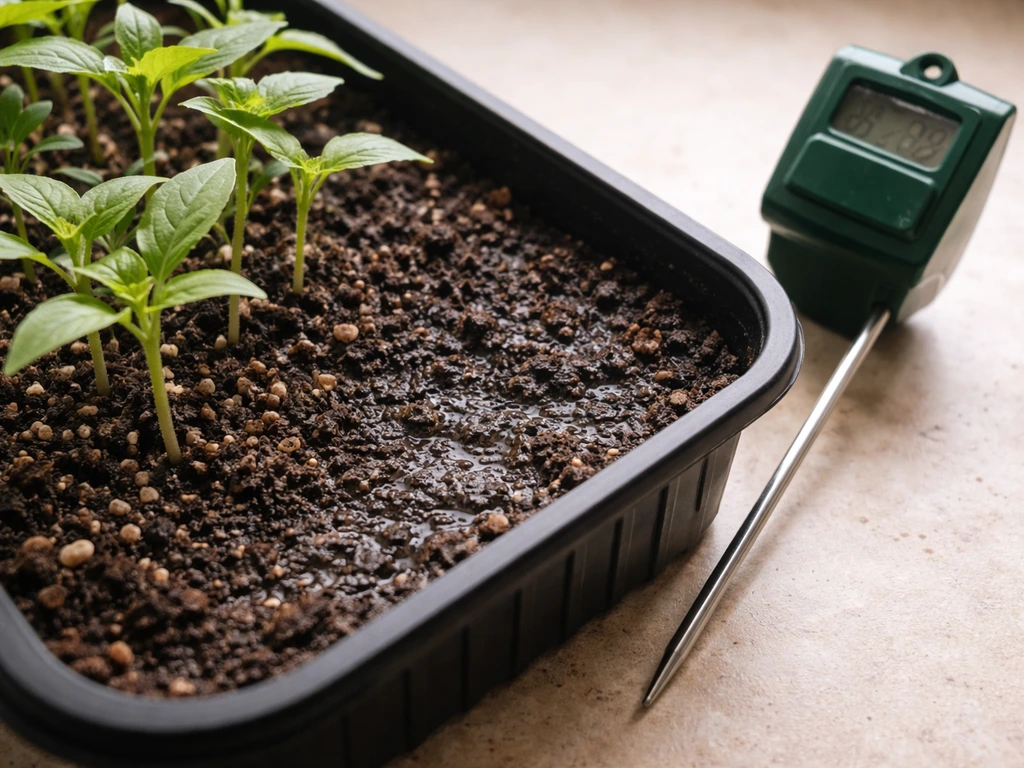
The two problems that kill the most plants for new growers in New Mexico are overwatering (yes, even in a desert state) and transplant shock. Let's tackle both directly.
Watering mistakes
Overwatering is the most common killer of seedlings and container plants. Wet soil with poor drainage creates the perfect environment for damping-off, a fungal collapse that takes out seedlings fast, often overnight. In that r/gardening thread, people share first-hand descriptions of damping-off at the soil line and advise checking for fungal collapse and acting quickly to prevent spread [damping-off, a fungal collapse that takes out seedlings fast](https://www. reddit.
com/r/gardening/comments/gn1svb). The fix is straightforward: use containers with drainage holes, never let pots sit in standing water, and use a well-draining potting mix rather than garden soil. The 2-inch finger test mentioned earlier works for both containers and garden beds. For vegetables, water stress during the first six weeks of growth can trigger premature flowering and reduce yields significantly, so consistency matters more than volume.
Transplant shock
If you buy transplants from a nursery or move seedlings outdoors from inside, expect some wilting, yellowing, or leaf curl in the first few days. That's normal transplant shock, not plant death. To minimize it: water the transplant well before moving it, transplant in the late afternoon or on a cloudy day to reduce sun stress, and water again immediately after planting. Avoid fertilizing for the first week post-transplant; roots need to settle before being pushed to grow. If you started seeds indoors and are moving them outside, harden them off gradually over 7 to 10 days by putting them outside for a few hours at a time before leaving them out full-time.
Diagnosing what's wrong
Yellow leaves can mean a lot of different things: nitrogen deficiency, overwatering, underwatering, or transplant stress all produce similar symptoms. Before you add fertilizer or change your watering, check the soil moisture first and look at the whole plant. If it's a nutrient issue, different deficiencies show up in different ways (yellowing on older leaves first often signals nitrogen; younger leaves first often signals something else entirely). The tricky part is that water stress, disease, and nutrient problems can all look similar, so try to isolate the most likely cause rather than throwing multiple fixes at the plant at once.
A simple planting plan for the next 30 days
Here's a concrete, actionable plan for mid-April through mid-May in New Mexico. Adjust the timing slightly if you're at high elevation (push everything 2 to 3 weeks later for Santa Fe and above).
- Week 1 (now, April 13–20): Buy or prep your containers and raised bed soil. Amend in-ground beds with 2 to 3 inches of compost worked into the top 8 inches. Source transplants for chile peppers and tomatoes from a local nursery; look for compact, dark green plants with no flowers yet. Direct-sow radishes, spinach, and lettuce seeds if you're at high elevation.
- Week 2 (April 21–27): Transplant chile peppers and tomatoes if your location is below 5,500 feet and nights are consistently above 45°F. Water in with a diluted liquid fertilizer. At high elevation, start warm-season seeds indoors this week. Sow a second round of radishes in the garden for succession harvest.
- Week 3 (April 28–May 4): Direct-sow summer squash seeds outdoors at low elevations (they resent transplanting anyway). Plant zinnias and marigolds directly into beds or large containers. Check all transplants daily and water when the top 2 inches of soil are dry. Watch for any damping-off in seedling trays.
- Week 4 (May 5–12): Begin hardening off any warm-season seedlings started indoors at high elevation. Thin lettuce and spinach seedlings to 4 to 6 inches apart to avoid crowding. Fertilize in-ground tomatoes and peppers lightly now that they've had two weeks to settle. Check for early aphids on the undersides of leaves and knock them off with a strong spray of water.
- End of month (May 13–): High-elevation gardeners can safely transplant warm-season crops after May 15 in most years. Finish succession planting of herbs in containers. Do a soil moisture check on all containers and set a daily watering reminder for the summer months ahead.
This guide focused on real-world New Mexico gardening, but if you're curious how plant-growing challenges compare across very different contexts, it's worth noting that resource management and prioritization come up in surprising places. Fans of games like Skyrim approach plant growing with a similar triage mindset: figure out what you need most, match it to what the environment supports, and plant accordingly. The logic translates surprisingly well to a real desert garden. And if you've ever played Hogwarts Legacy and managed plants in that game, you already understand that matching a plant to its environment is half the battle, whether you're working with a magical greenhouse or a raised bed in Albuquerque.
The bottom line for New Mexico in mid-April 2026: chile peppers are your top pick for low elevation, spinach and lettuce lead the way at high elevation, and herbs in containers are the universal easy win regardless of where you are in the state. Get your soil amended, pick up transplants this week, and you'll have a productive season running by June.