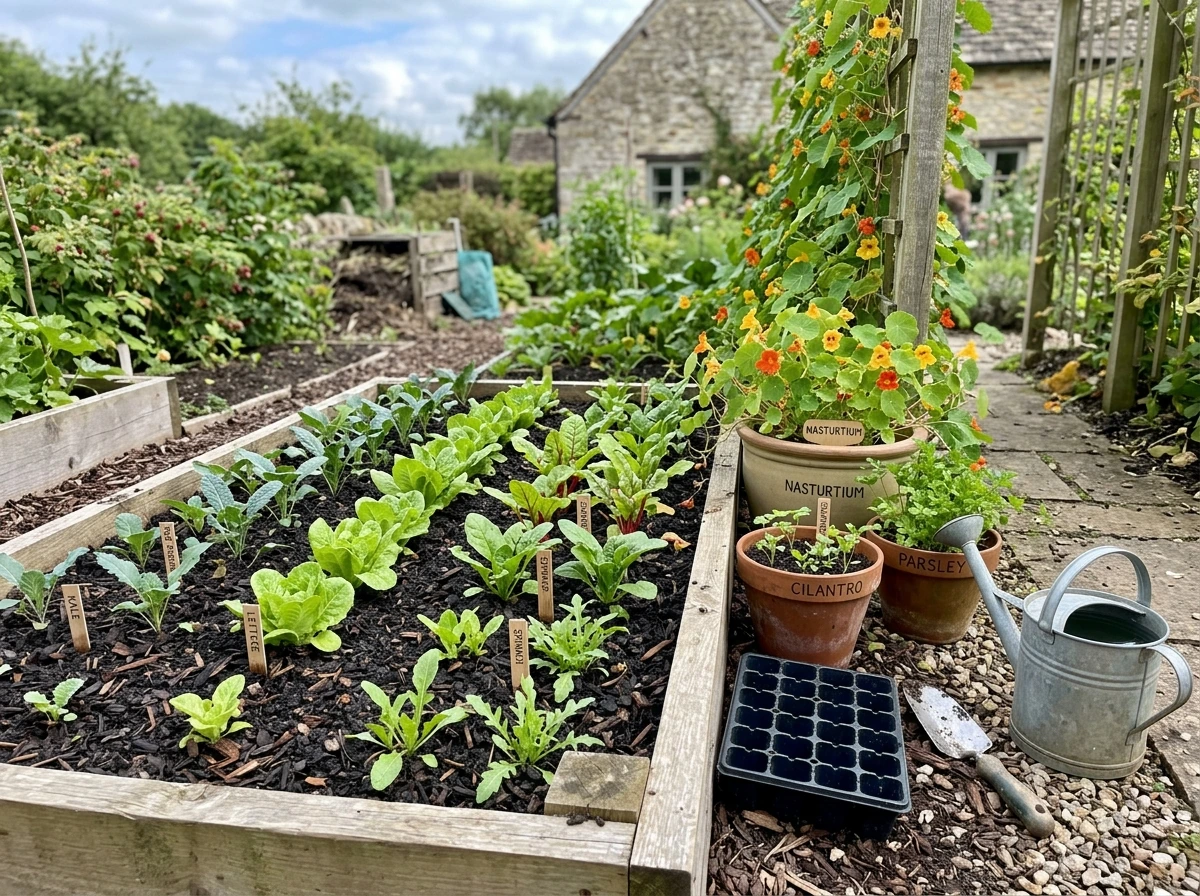
June is one of the best months to be a gardener, but it's also one of the trickiest to plan for. If you want a broader list beyond June specifically, see what plants to grow in summer as a related option for planning your full heat-season garden. The right plants depend heavily on where you live, because June in Minnesota and June in Georgia are practically different seasons. That said, there's a solid core list of vegetables, herbs, and flowers that work across most regions, and once you layer in your climate and growing setup, the decision gets pretty simple. Here's exactly what to grow, how to start it, and how to keep it alive through the heat.
Best Plants to Grow in June: What to Plant Now by Zone
Rachel Hartley
24 Mar 2026
Quick picks for June planting
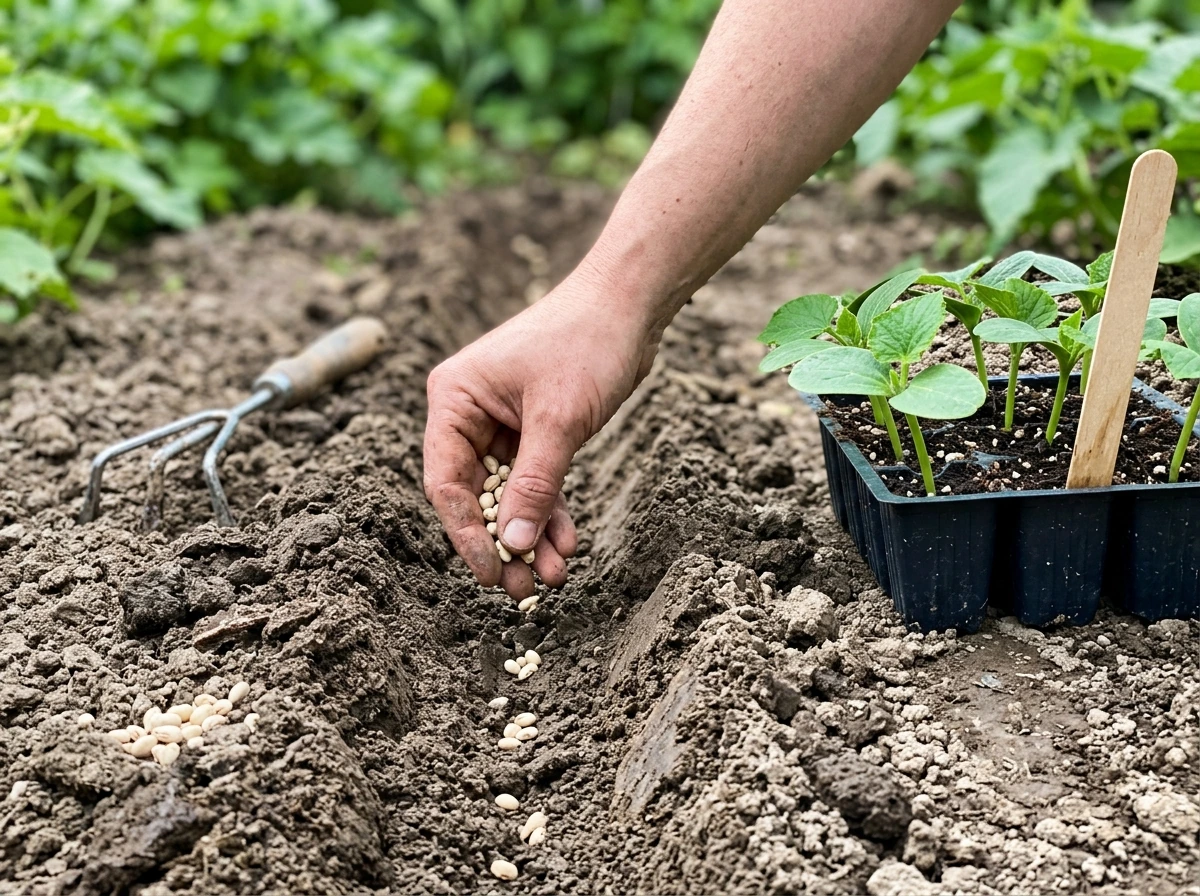
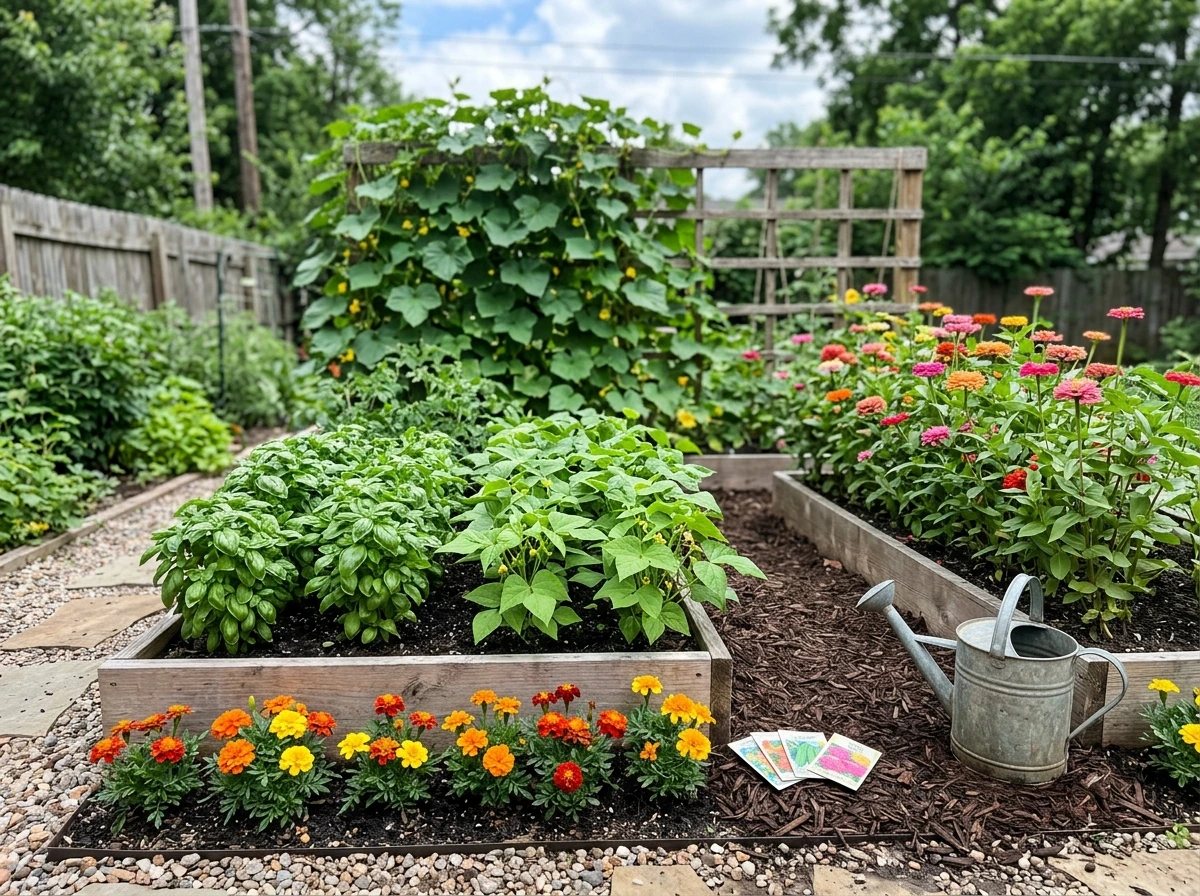
If you just want a fast answer, here are the plants that perform reliably when started or transplanted in June across most of the US. Deeper guidance by climate follows below.
Vegetables
- Bush beans: Direct sow now. Fast to germinate, no transplanting needed, and productive within 50–60 days.
- Cucumbers: Start from transplants in cooler zones, direct sow in warm ones. Love June heat.
- Zucchini and summer squash: Direct sow or transplant. One of the fastest producers you can grow.
- Tomatoes: Transplant only in June (if you haven't already). In warm zones, this is your last good window.
- Peppers: Same deal as tomatoes. Buy transplants and get them in the ground.
- Sweet corn: Direct sow in warm and temperate zones. Needs space but minimal fuss.
- Lettuce (cool zones only): Direct sow heat-tolerant varieties in zones 5–6 if you're still seeing mild temperatures.
- Beets and carrots: Direct sow in cooler northern zones where June soil temps are still below 80°F.
Herbs
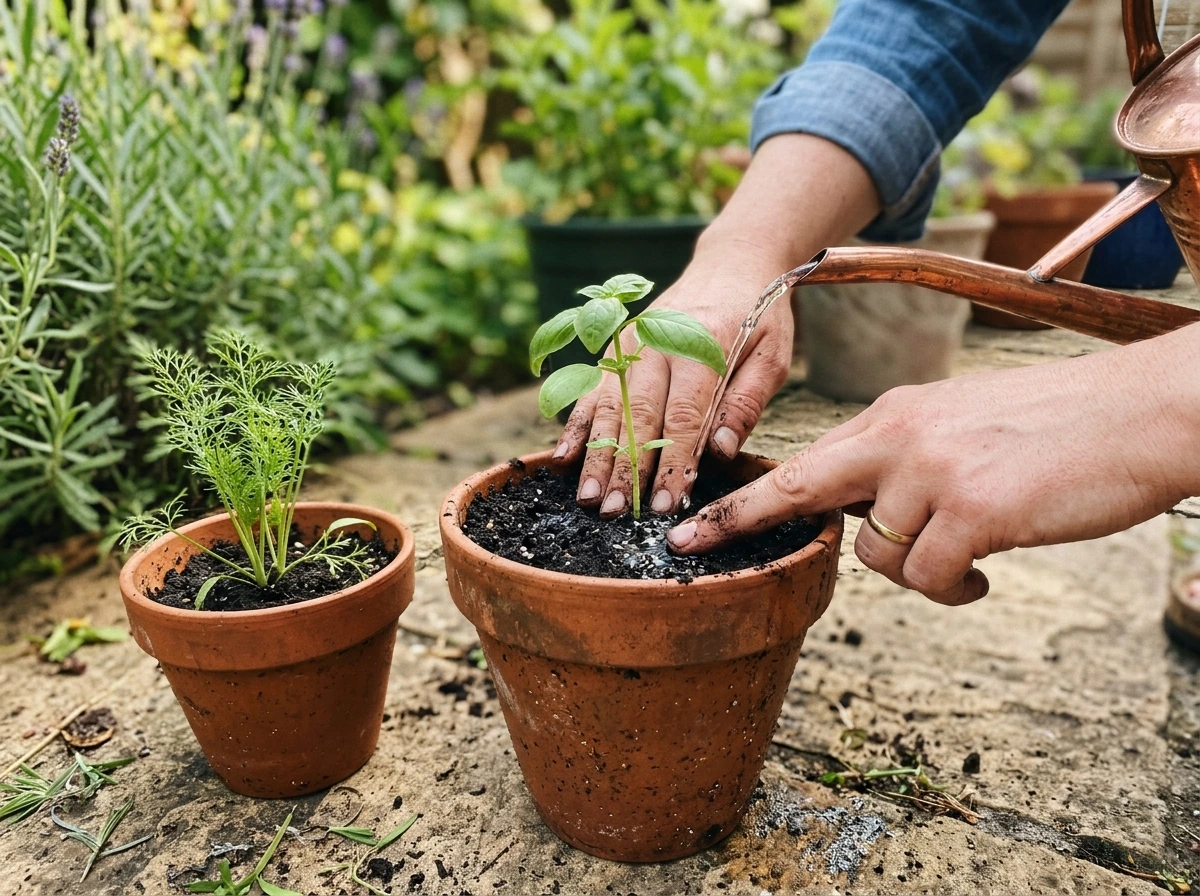
- Basil: Transplant once daytime temps are consistently in the 70s°F and nights stay above 50°F. Perfect for most of June.
- Dill: Direct sow. Fast germinator and a great companion for cucumbers.
- Chives: Transplant or direct sow. Low maintenance and heat tolerant once established.
- Parsley: Buy transplants to save time. Slow from seed.
- Cilantro: Direct sow in cooler zones only. In warm zones, it bolts fast in June heat. Stagger sowings every 2–3 weeks if you want a continuous supply.
Flowers
- Zinnias: Direct sow. One of the best June flowers — heat-loving, drought-tolerant, and fast.
- Sunflowers: Direct sow. They want warm soil and plenty of room.
- Marigolds: Transplant or direct sow. Excellent pest deterrents near vegetables.
- Cosmos: Direct sow. Thrives in poor soil and blooms all summer.
- Nasturtiums: Direct sow. Edible, easy, and beautiful in containers or beds.
How to choose plants for June in your specific climate
The single biggest factor in June planting decisions is whether your last frost is behind you. In zones 7 and warmer (much of the South and Southwest), the frost-free date typically falls in late March or April, so by June you're solidly in warm-season territory with soil temps that support anything heat-loving. In zones 5–6 (much of the Midwest and mid-Atlantic), the last frost might have been late April or early May, meaning June is prime time for warm-season crops but you may still get the tail end of cool-season windows. In zones 3–4 (upper Midwest, northern New England), June can still see surprise cold snaps and your warm-season window is short, so prioritize fast-maturing varieties.
A good rule of thumb backed by extension research: warm-season vegetables (tomatoes, peppers, cucumbers, squash, beans) go in the ground 2–4 weeks after your last median frost date. Cool-season crops (lettuce, spinach, beets, carrots) are ideally started 4–6 weeks before that frost date in spring, which means by June, most warm-climate gardeners are wrapping up cool-season growing, while northern gardeners might still squeeze a round in early June.
Heat is the other variable. blank" rel="noopener noreferrer">Leafy greens bolt (go to seed and turn bitter) when soil temperatures consistently hit 80°F or above. If you're in a zone where June days are already pushing into the 90s, shift your focus entirely to heat-tolerant warm-season crops and save lettuce, spinach, and cilantro for a fall planting. The USDA zone map is a great starting point, but pay attention to your local microclimate too. A south-facing raised bed can run 10–15°F hotter than an open garden bed, and that changes what you can grow.
| USDA Zone | Last Frost (approx.) | June Focus | Skip in June |
|---|---|---|---|
| Zone 3–4 | Mid-May to late May | Fast-maturing warm-season crops, cool-season encore | Peppers (short season risk) |
| Zone 5–6 | Late April to mid-May | All warm-season crops, last call for cool-season | Lettuce in hot spells |
| Zone 7–8 | Late March to mid-April | Full warm-season lineup, heat-tolerant herbs | Spinach, bolting cilantro |
| Zone 9–10 | January to February | Heat-lovers only, shade strategies essential | Most cool-season crops |
Best container and balcony options for June
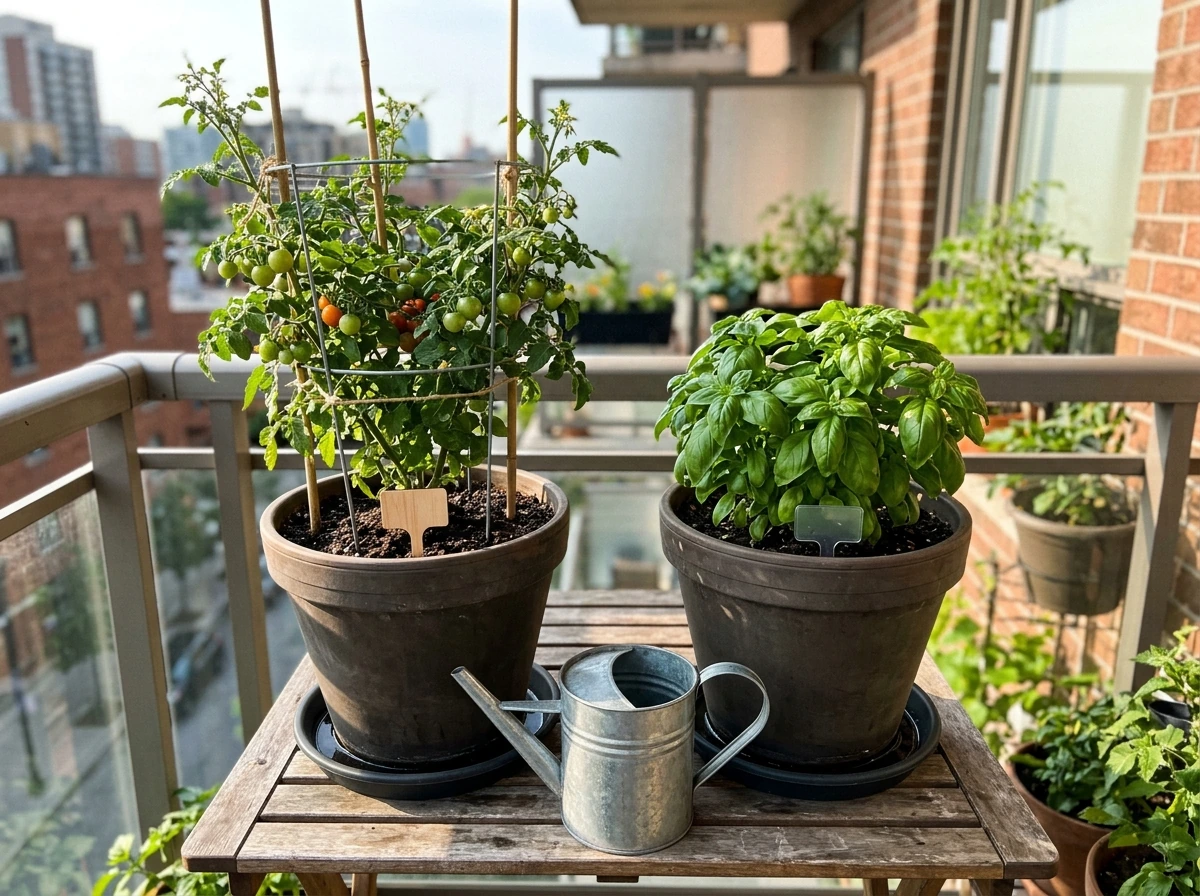
Growing in containers in June works really well as long as you match the pot size to the plant and stay on top of watering. Heat speeds up moisture loss dramatically, especially in small or dark-colored pots. Light-colored containers in a shaded spot can extend the life of cool-season crops by a few extra weeks. Here's what works best for balconies and patios in June.
Top container picks for June
- Cherry tomatoes: A 5-gallon bucket or 12-inch pot minimum. 'Tumbling Tom' and 'Patio' varieties are bred for containers.
- Basil: A 6-inch pot is fine for one plant. Keeps well on a sunny windowsill or balcony.
- Lettuce (in cooler zones or shaded balconies): Use a pot at least 6–8 inches deep. Leaf lettuce handles container life well when kept out of afternoon sun.
- Zucchini: Needs a large container (at least 5 gallons) but is very productive. One plant is plenty.
- Peppers: Do well in 3–5 gallon pots with 6+ hours of sun.
- Nasturtiums and zinnias: Great in window boxes or hanging baskets. Low water needs once established.
- Herbs (basil, chives, parsley, dill): A mixed herb pot is one of the easiest and most rewarding June container projects.
Container depth matters more than most people realize. Shallow-rooted crops like leaf lettuce and radishes need at least 6–8 inches of potting mix. For container gardening, NC State Extension provides pot depth guidance that supports lettuce needing about 6 to 8 inches of depth and carrots needing around 10 to 12 inches lettuce 6–8 inches. Carrots need 10–12 inches minimum, and they're honestly better in a deep planter or grow bag. Always water containers until water runs freely from the drainage holes, this makes sure moisture reaches the lower roots, not just the top few inches. In hot June weather, you may need to water daily, sometimes twice for small pots in full sun.
If your balcony gets strong afternoon sun and wind, those conditions pull moisture out fast. Group containers together to reduce evaporation and consider a self-watering planter for herbs and greens. For sun-drenched south-facing balconies, stick with heat-lovers like basil, peppers, tomatoes, and zinnias. If you only get 4–5 hours of direct sun, shift to lettuce, parsley, and chives, which tolerate partial shade better than most edibles.
Seed vs. transplant: what to start now and what to buy
In June, the seed vs. For the best results, check which plants are reliably available as seeds for May sowing in your region start now. transplant decision comes down to time and temperature. Some crops establish faster from transplants because the season is already moving. Others are either pointless to transplant (they hate root disturbance) or so fast from seed that buying starts is unnecessary.
| Plant | Seed or Transplant in June? | Why |
|---|---|---|
| Tomatoes | Transplant only | Too slow from seed; season too short by June |
| Peppers | Transplant only | Same reason as tomatoes; long maturation time |
| Basil | Either | Fast from seed but transplants save 3–4 weeks |
| Bush beans | Direct seed only | Hates root disturbance; germinates fast in warm soil |
| Cucumbers | Direct seed or transplant | Direct seed works great in warm soil; transplants give a head start in cool zones |
| Zucchini/squash | Direct seed or transplant | Germinates quickly; transplant carefully to avoid root disturbance |
| Zinnias | Direct seed | Germinates in 5–7 days in June soil; transplanting not worth the effort |
| Sunflowers | Direct seed only | Taproot doesn't like being moved |
| Lettuce | Direct seed | Fast from seed; no advantage to transplanting |
| Parsley | Transplant | Notoriously slow from seed (3–4 weeks to germinate) |
| Marigolds | Either | Transplants give immediate color; direct seed works in warm soil |
If you're starting anything from seed indoors to transplant out later in the month, give seedlings about 4 weeks of indoor time before the outdoor planting date. Before you move them outside permanently, harden them off: set them in a shaded, sheltered spot for a few hours a day, increasing outdoor time over 7–10 days. Don't put tender seedlings out on windy days or when temperatures are expected to drop below 45°F, and don't leave them overnight until nights are reliably staying above 50°F.
Care essentials for newly planted June growers
Watering
Newly transplanted starts need more frequent watering than established plants. For the first week or two, check soil moisture daily and water if the top inch is dry. Once established, most garden beds do well with a deep watering once or twice a week in dry weather rather than frequent shallow watering. Water early in the morning (ideally 5–9 a.m.) so foliage dries before evening and you reduce disease risk. Add a 2–3 inch layer of mulch around plants to slow moisture loss and keep roots cooler, this one habit can cut your watering needs significantly.
Heat protection
Even heat-loving plants can struggle in their first week after transplanting if June delivers a sudden heat wave. Young starts haven't rooted in deeply yet and can wilt fast. If temperatures spike above 90°F right after you transplant, give new plants some afternoon shade using a piece of shade cloth, a lawn chair, or even an old bedsheet propped over them. Row covers can help retain warmth early in June if nights are still cool, but be careful: the temperature under a row cover can climb 5–15°F above outside air temp on sunny days, so remove or vent them once daytime temperatures rise.
Feeding
For garden beds with decent soil, a balanced slow-release fertilizer at planting time covers most of June's needs. Heavy feeders like tomatoes and peppers benefit from a liquid feed every 2–3 weeks once they start flowering. Basil does well with a light fertilizer application after transplanting and again in midsummer. Container plants need more frequent feeding than beds because nutrients leach out every time you water, a liquid fertilizer every 1–2 weeks keeps them productive. Go easy on nitrogen once fruiting plants start to flower; too much pushes leafy growth at the expense of fruit.
Common June planting mistakes to avoid
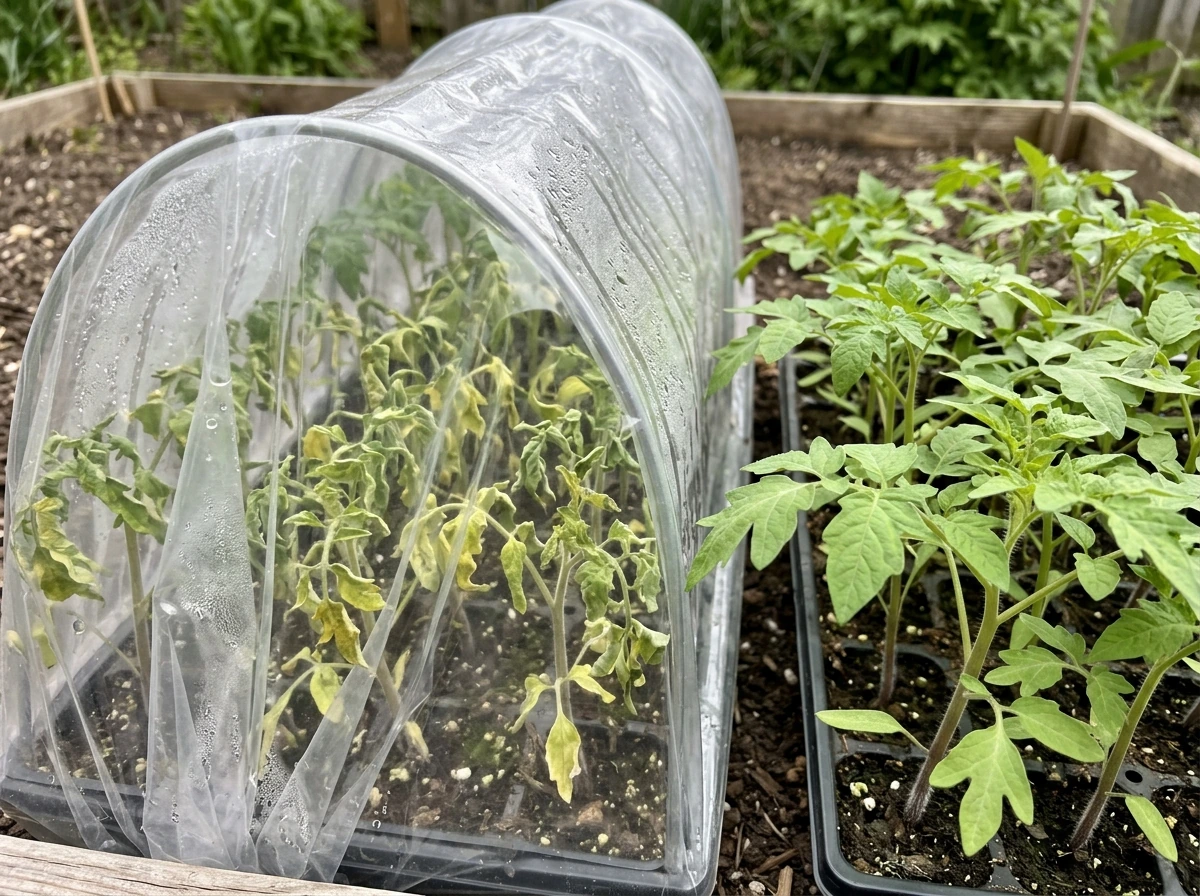
- Planting tomatoes and peppers too early when nights are still cold: Basil, peppers, and tomatoes all sulk below 50°F nights. Even if they survive, they barely grow until temperatures warm up.
- Trying to grow cool-season crops in hot climates: Lettuce and spinach bolt quickly when soil temps hit 80°F+. If you're in zone 7 or warmer and June days are already hot, save those seeds for September.
- Skipping the hardening-off step: Moving seedlings straight from indoors to full sun will cause sunscald and transplant shock. Take the extra week to transition them gradually.
- Planting too close together: June starts grow fast in the heat. Crowded plants compete for water, nutrients, and airflow, which invites disease. Follow spacing recommendations even when the seedlings look tiny.
- Underwatering containers: Small pots in full sun June heat can dry out completely in a single day. If you miss a watering, you may lose the plant. Check daily.
- Planting tall sun-loving crops where they'll shade smaller ones: Plan your bed layout so taller plants (corn, tomatoes, sunflowers) don't block light from lower crops.
- Not mulching: Bare soil in June loses moisture fast and heats up more than mulched soil. Even a thin layer of straw, shredded leaves, or grass clippings makes a real difference.
What to grow based on your specific situation
Use this quick checklist to find your best-fit plants for June. Pick the scenario that matches your conditions and start there. If you are planning ahead for the hotter months, check out the best plants to grow in late summer for your region and growing space.
If you have full sun (6+ hours) and garden bed space
- Food goal: Tomatoes, peppers, cucumbers, bush beans, zucchini, sweet corn
- Aesthetic goal: Zinnias, sunflowers, marigolds, cosmos
- Both: Mix marigolds and nasturtiums into your vegetable beds — they attract pollinators and deter pests
If you have partial shade (3–5 hours of sun)
- Food goal: Lettuce (in cooler zones), parsley, chives, beets
- Aesthetic goal: Nasturtiums, impatiens, begonias
- Note: Most fruiting vegetables won't produce well in partial shade
If you only have a balcony or containers
- Food goal: Cherry tomatoes, basil, peppers, lettuce (shaded spot), mixed herb pot
- Aesthetic goal: Zinnias in window boxes, nasturtiums in hanging baskets
- Low maintenance pick: A single basil plant plus one cherry tomato in a 5-gallon bucket
If you're in a cool northern zone (3–5) with limited warm weeks
- Prioritize fast-maturing varieties (look for 'days to maturity' under 60 days on the seed packet)
- Best bets: Bush beans, zucchini, radishes, lettuce, nasturtiums, dill
- Get transplants in now — every week of June counts in a short growing season
If you want medicinal or functional plants
- Calendula: Direct sow in early June in cooler zones; heat-tolerant and blooms prolifically
- Chamomile: Direct sow; quick to flower and useful as a calming tea herb
- Lavender: Buy transplants; doesn't establish well from seed in one season
- Lemon balm: Transplant or divide; easy, vigorous, and great for tea
If you're a complete beginner with limited time
- Start with three things: one tomato transplant, one basil transplant, and a packet of zinnia seeds
- They're forgiving, productive, and rewarding enough to keep you motivated
- If that goes well, add bush beans next — direct sow a short row and you'll have beans in under two months
If you're planning your full summer garden beyond June, If you're planning your full summer garden beyond June, there are related guides covering what to plant in summer overall and how to keep momentum going into August and late summer, both worth bookmarking once you've got your June plan sorted, especially if you’re looking for best plants to grow in late summer. If you want ideas for what to start after June heat ramps up, use this guide to find the best plants to grow in late summer. what plants to grow in summer. which plant grow faster in summer
FAQ
What should I plant in June if I missed my warm-season window?
If you are behind, prioritize fast-establishing transplants (tomatoes, peppers, cucumbers, squash) over direct seeding, since many warm-season seeds need steady warmth to germinate. Choose earlier-maturing varieties and expect smaller harvest windows, then use black plastic or row cover to help soil warm faster for any late direct sowing.
How can I tell whether my soil is warm enough to plant heat-loving crops in June?
Don’t rely on the calendar alone. Use a soil thermometer, aim for roughly 70°F or higher for crops like beans and cucumbers, and 60°F or higher for starting some warm-season seedlings. If soil is cool, transplanting can stall, even if air temperatures look warm.
Should I plant heat-loving crops right into full sun in June, or start with shade?
For transplants, a short acclimation period helps. Start with partial shade for 2 to 5 days if it is a hot or windy week, then move them toward full sun. A light shade cloth during the afternoon prevents wilting while roots re-anchor.
Why are my newly planted seedlings wilting even though I water every day?
Overwatering and underwatering can look identical in June. Check whether the top inch is dry, and also make sure soil is draining, especially in containers. If leaves wilt in the heat but recover by evening, watering frequency is likely the issue; if they stay wilted, you may have root stress from poor drainage or transplant shock.
How do I prevent leafy greens from bolting when temperatures are already high?
Choose heat-tolerant varieties and treat June as a “short window” crop. Plant in partial shade, keep soil consistently evenly moist (not soggy), and harvest outer leaves frequently. If June routinely hits 80°F or higher, shift spring plantings into a fall strategy instead.
Can I sow seeds directly in June, or should I only transplant?
You can direct sow, but it depends on the crop speed and your night temperatures. Short-season crops like radishes can work well, while slower crops may fail to mature before heat or late-season weather. For uncertain weeks, transplants usually reduce risk.
What’s the best way to water in June if I have clay soil or heavy beds that don’t drain well?
Use deeper, less frequent watering once plants are established to encourage roots downward, but avoid watering on a schedule when the soil stays wet. If beds remain damp, reduce frequency and focus on mulch to prevent splashing and disease while still conserving moisture.
How should I adjust fertilizing in June for containers versus in-ground beds?
In containers, nutrients wash out faster, so use a consistent liquid feeding routine, but at reduced strength if plants look overly lush. In beds, a balanced slow-release fertilizer at planting often lasts longer, then supplement only after flowering starts for fruiting crops to avoid excessive leafy growth.
When should I start mulching in June, and how thick should it be?
Mulch as soon as seedlings are established enough that stems and crowns are not smothered. A 2 to 3 inch layer is a good target for most edibles, and keep mulch a small distance away from plant stems to reduce rot and pest issues.
Do I need to thin seedlings I start in June?
Yes, thinning is usually necessary for good spacing and airflow. Thin once seedlings have developed true leaves, remove extras by snipping at soil level rather than pulling to avoid disturbing remaining roots. Crowding increases disease risk, especially when June nights are humid.
How do row covers and shade cloth differ for June use?
Shade cloth reduces light and heat stress, while row covers mainly protect from cooler nights or light insect pressure. If you use row covers, monitor daytime temperatures closely and remove or vent once it is sunny, because they can trap extra heat quickly.
What are the most common container mistakes in June?
Common issues include containers that are too small (which dries out fast), dark pot colors that overheat roots, and inconsistent watering that alternates between drying and soggy soil. Also, make sure you have reliable drainage holes and water thoroughly until water runs out, then avoid letting plants sit in runoff.
Next Article
What Plants to Grow in August: Best Picks by Climate
August planting picks by climate: best vegetables, herbs, flowers, and indoor/container options plus timing and care rul